Crown-of-thorns starfish
The overlooked assassins responsible for Great Barrier Reef's loss in coral cover
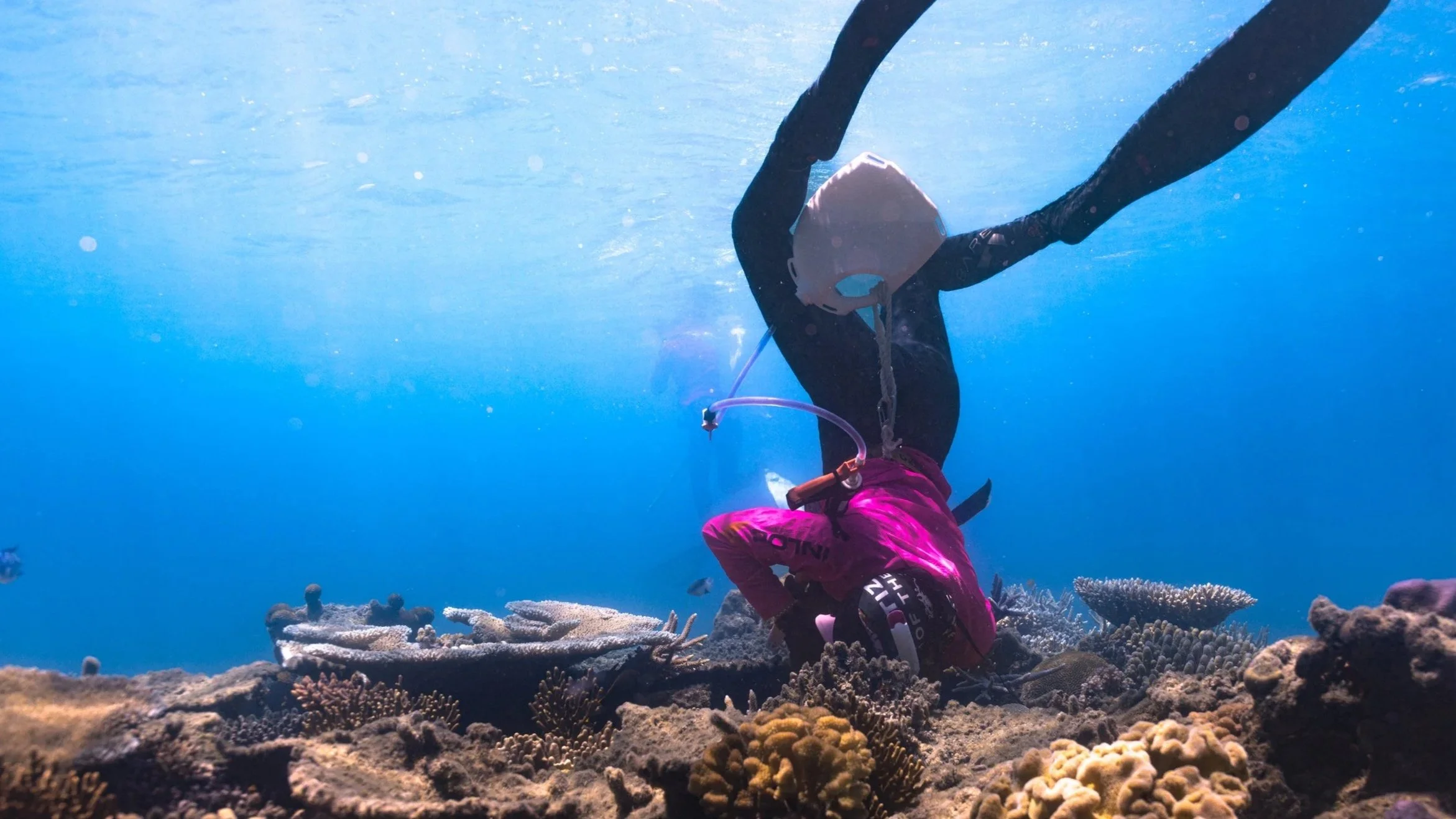
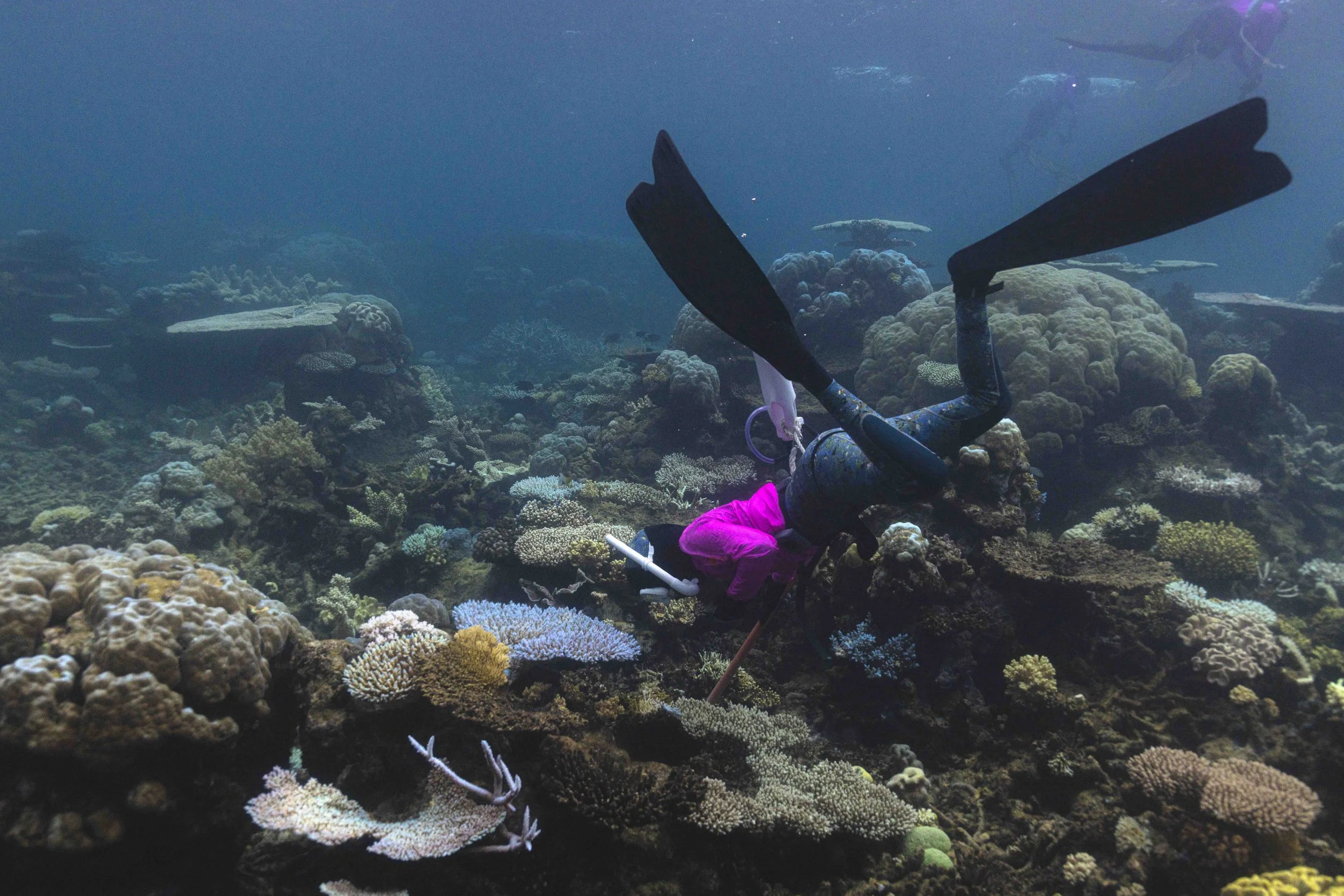
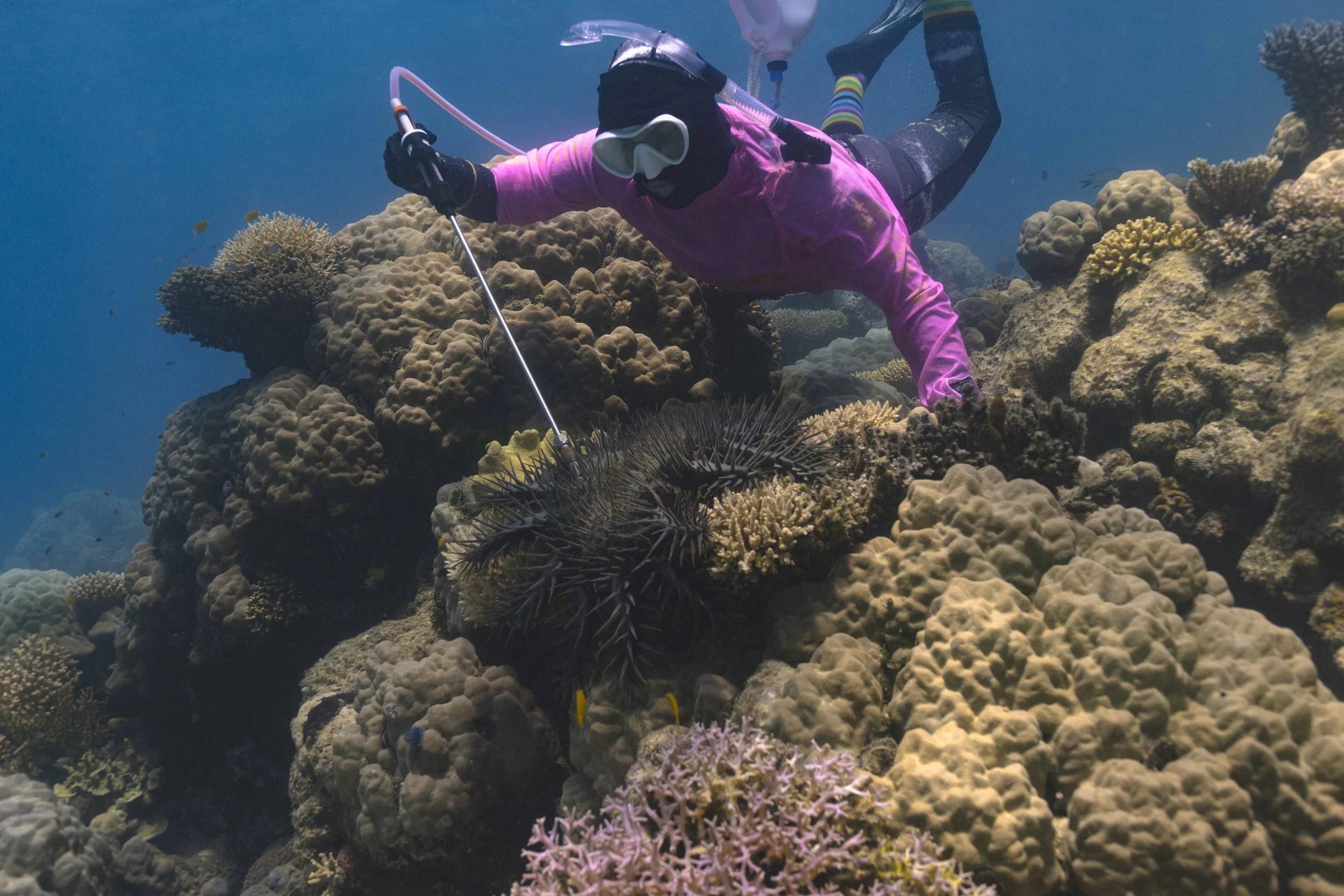
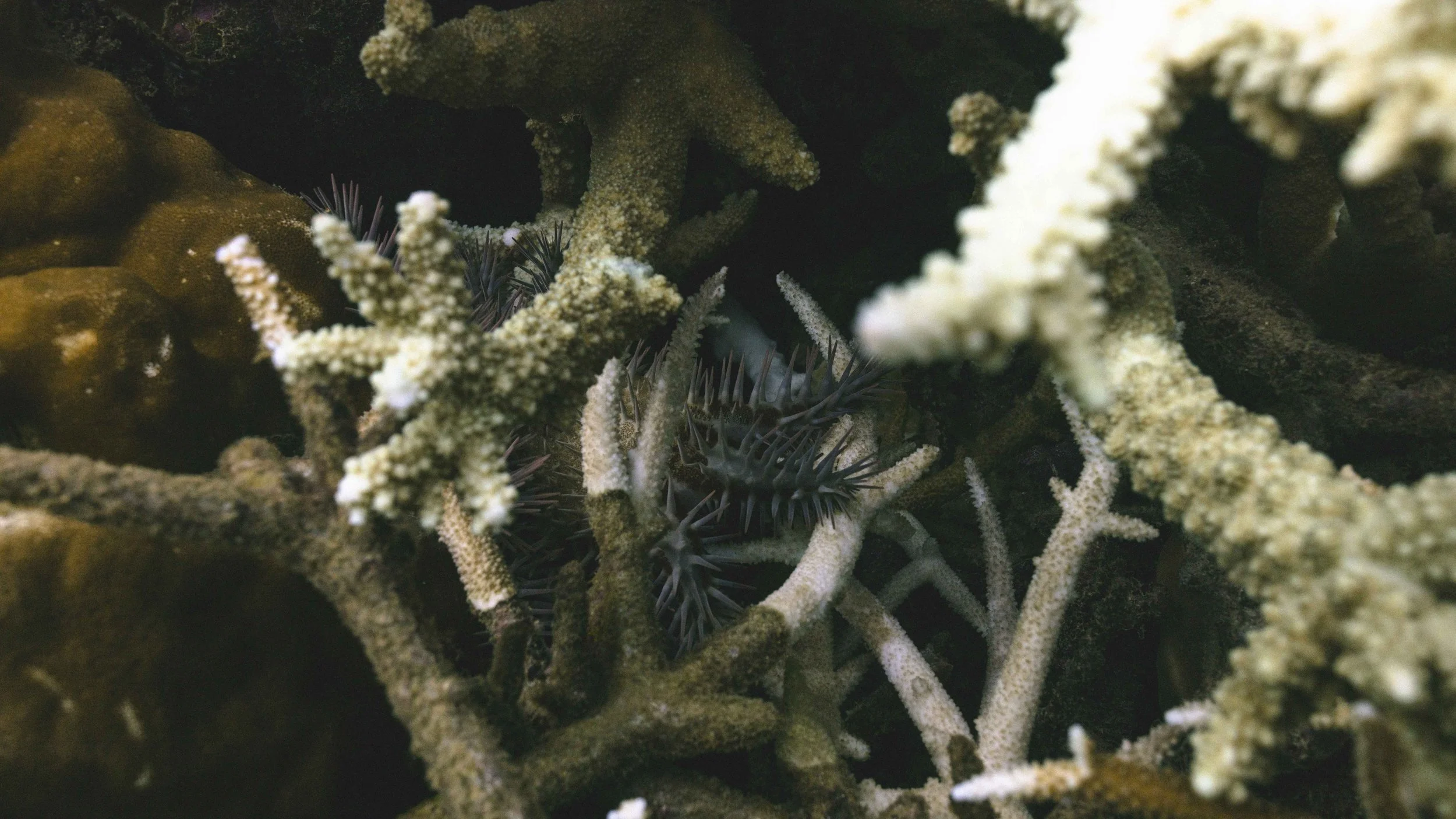
During the day COTS are usually hiding in the dark crevasses or under plate corals from their predators. To find them, every possible coral has to be inspected carefully.
2026 marks the fourth outbreak of the endemic crown-of-thorns starfish (COTS) on the Great Barrier Reef (GBR). Though slow, this nearly blind starfish poses a threat to a reef system more than 2000 kilometres long and equal in length to Japan.
Having spent the past few years on the reef as a diver and photographer, I came across a number of tales told by elders about oceans so full of fish that they had difficulty moving their boats — a prosperity now almost unimaginable.
Currently, about 40% of the world’s population lives within 100 km of the coast, with around 30% of people directly relying on the ocean for their livelihoods. Coral reef systems cover only 0.2% of our ocean floor, yet they support about 25% of all marine species, making reefs ecological hotspots.
We have only recently begun to understand how closely interconnected our oceans are and how much we rely on this largely ungoverned deep blue sea.
COTS, however, are responsible for about 50% of coral cover loss on the Great Barrier Reef.
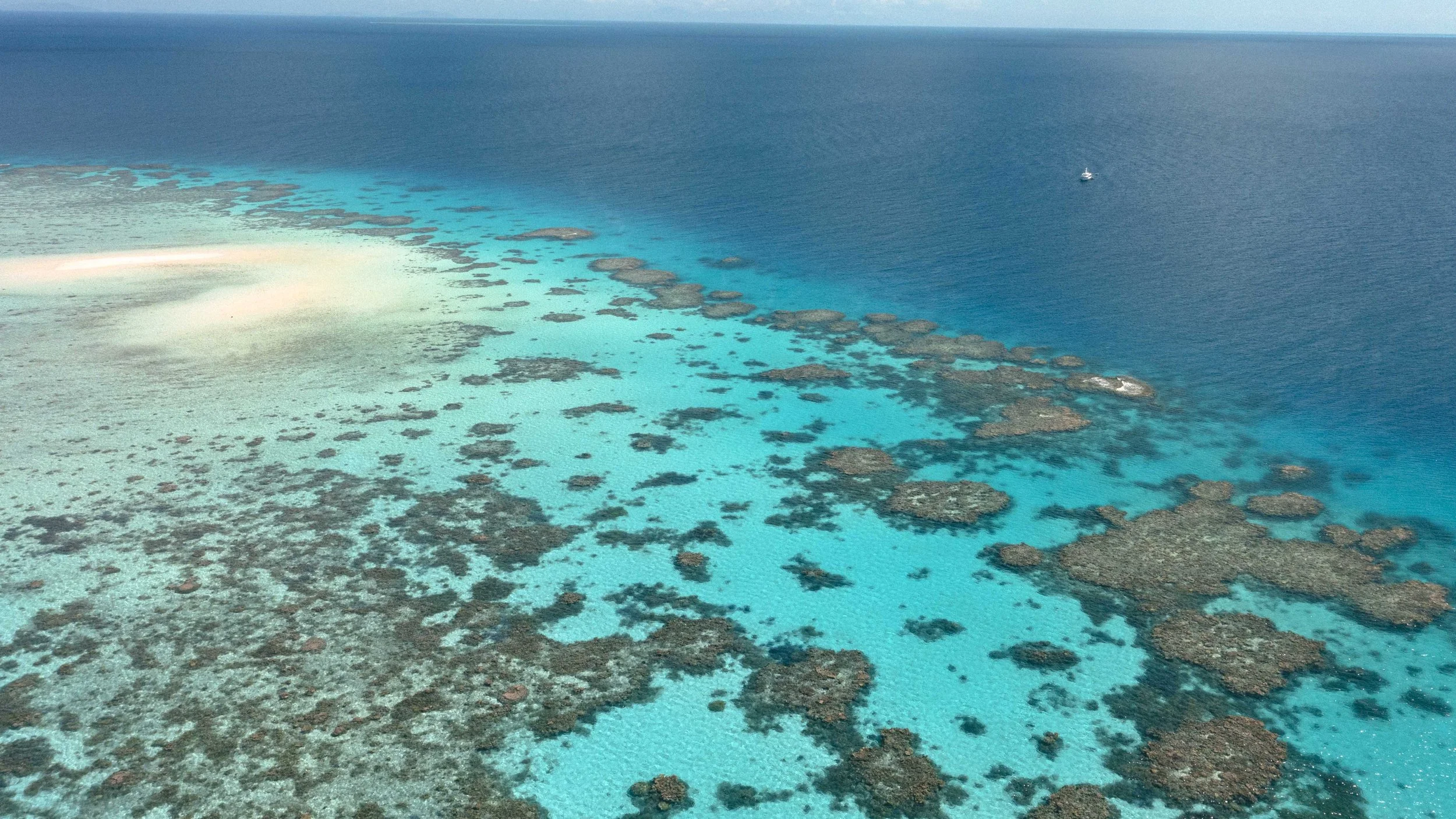
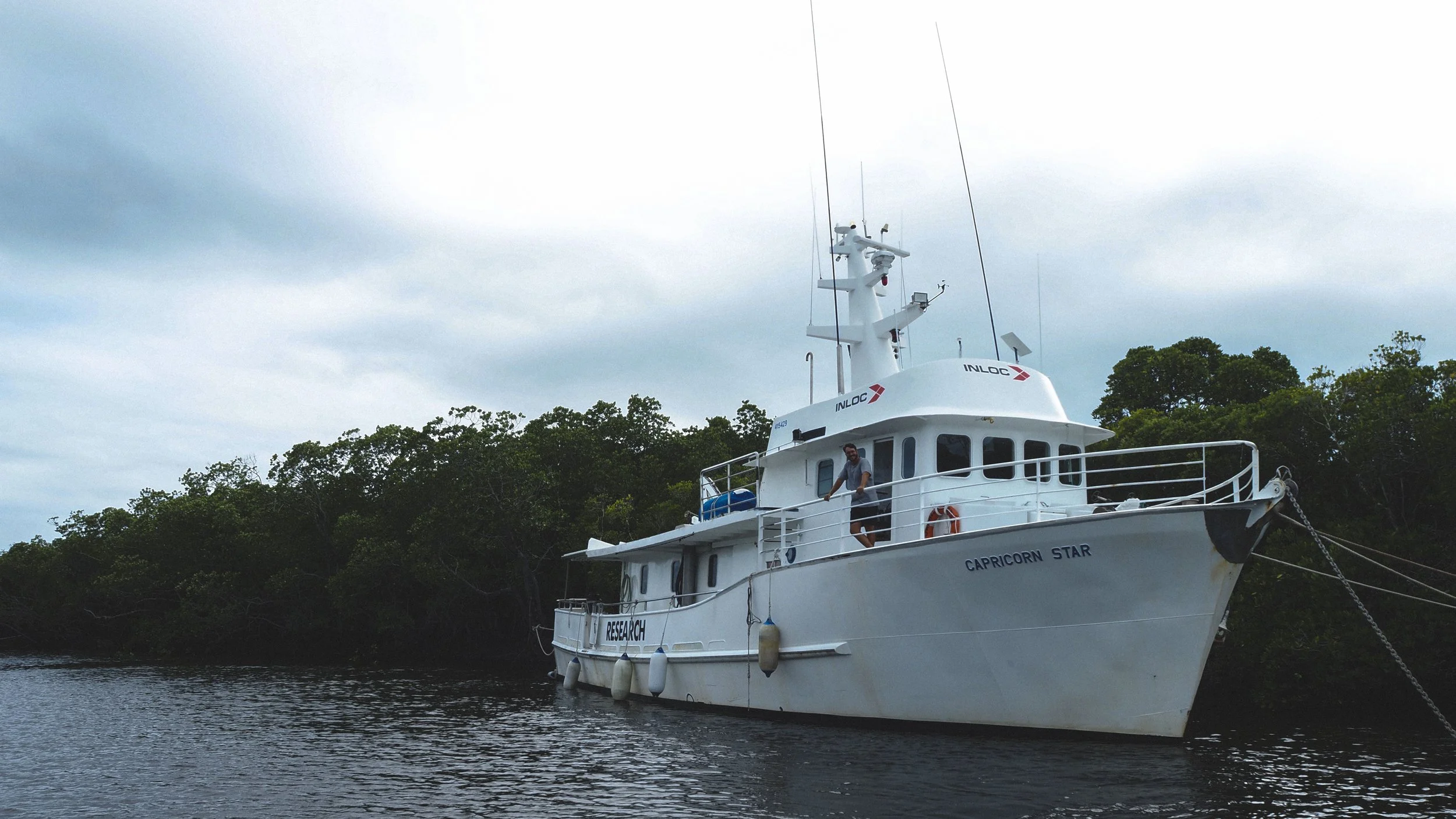
Size comparison between Capricorn Star (top right corner) and Little Kelso Reef.
Why worry about a starfish?
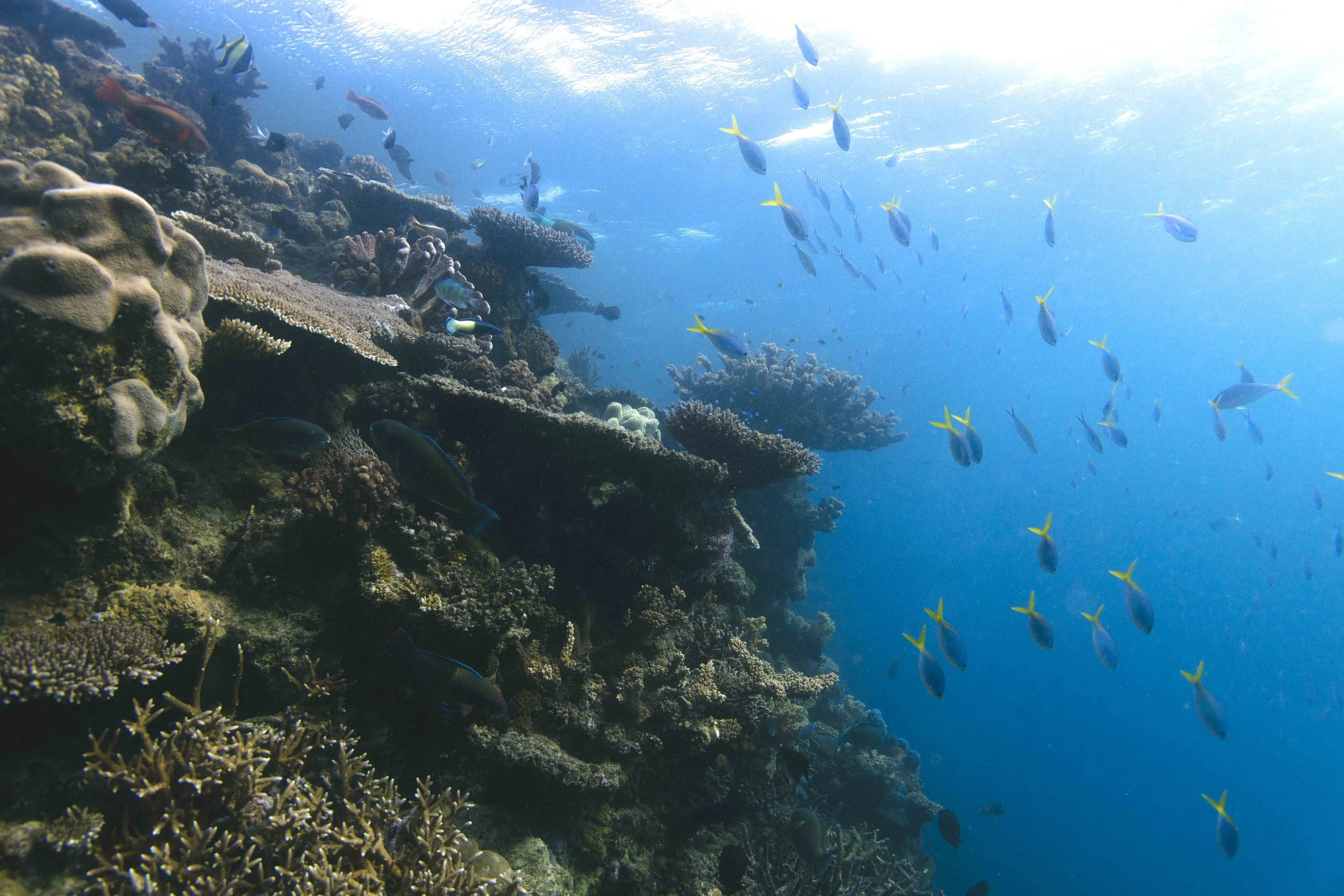
Our endemic friend has not always been a threat to the reef. Like all species, it has its own important role to play. Slower-growing coral families, such as the Faviidae, which include brain and giant corals, form the very foundation of the reef structure. Like faster-growing corals such as Acropora and Pocillopora, they rely on sunlight to survive and grow. Crown-of-thorns starfish (COTS) diligently work to keep the fast-growing coral population in check, allowing the slower-growing corals to persist and gradually expand the reef's structural foundation.
As long as there is enough fast-growing hard coral for the COTS to feed on, the system remains balanced. However, once the supply of fast-growing corals is depleted, our friend begins feeding on the reef-building corals instead, and the ricochet is already in motion.
COTS have lifespans of up to seventeen years and become sexually mature after two, releasing between 60 and 200 million eggs in a single spawning season. These eggs are carried by ocean currents throughout the reef system, with fertilisation rates exceeding 80% in ocean temperatures between 24°C and 32°C.
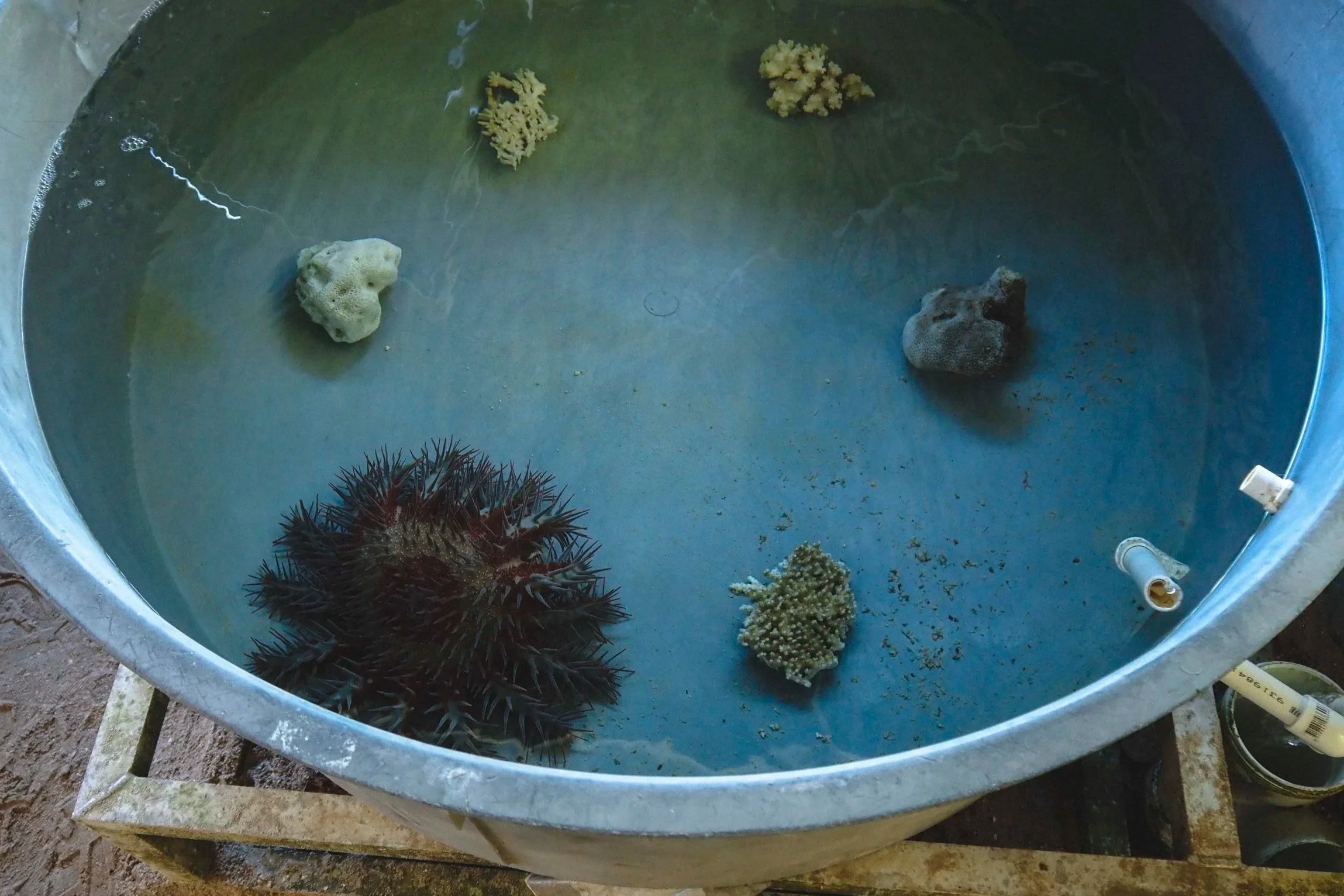
Once COTS successfully outgrow their larval stage — during which they initially feed on phytoplankton and small algae while hiding in coral rubble — they move into the open and attend their duty feeding on their first corals.
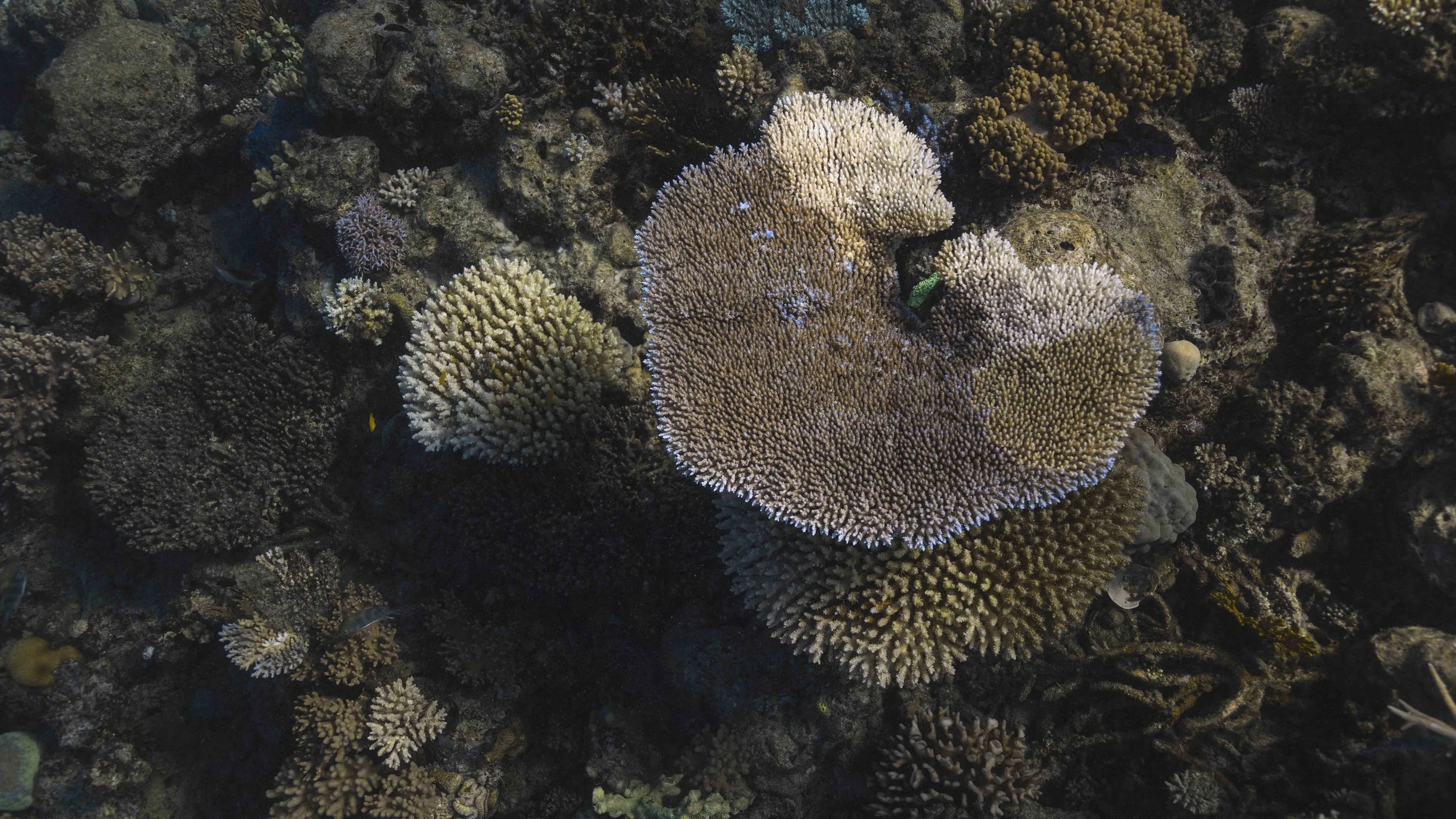
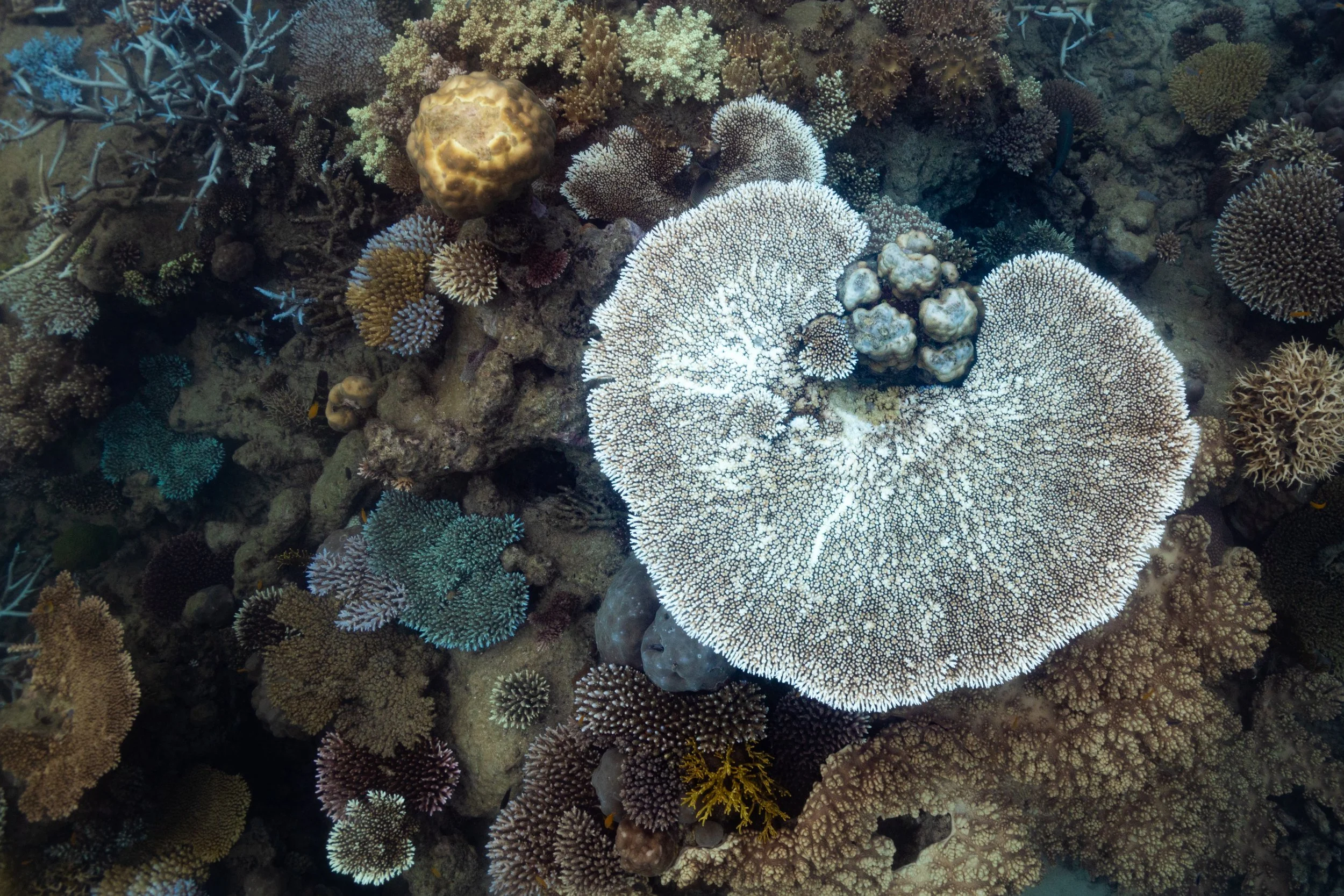
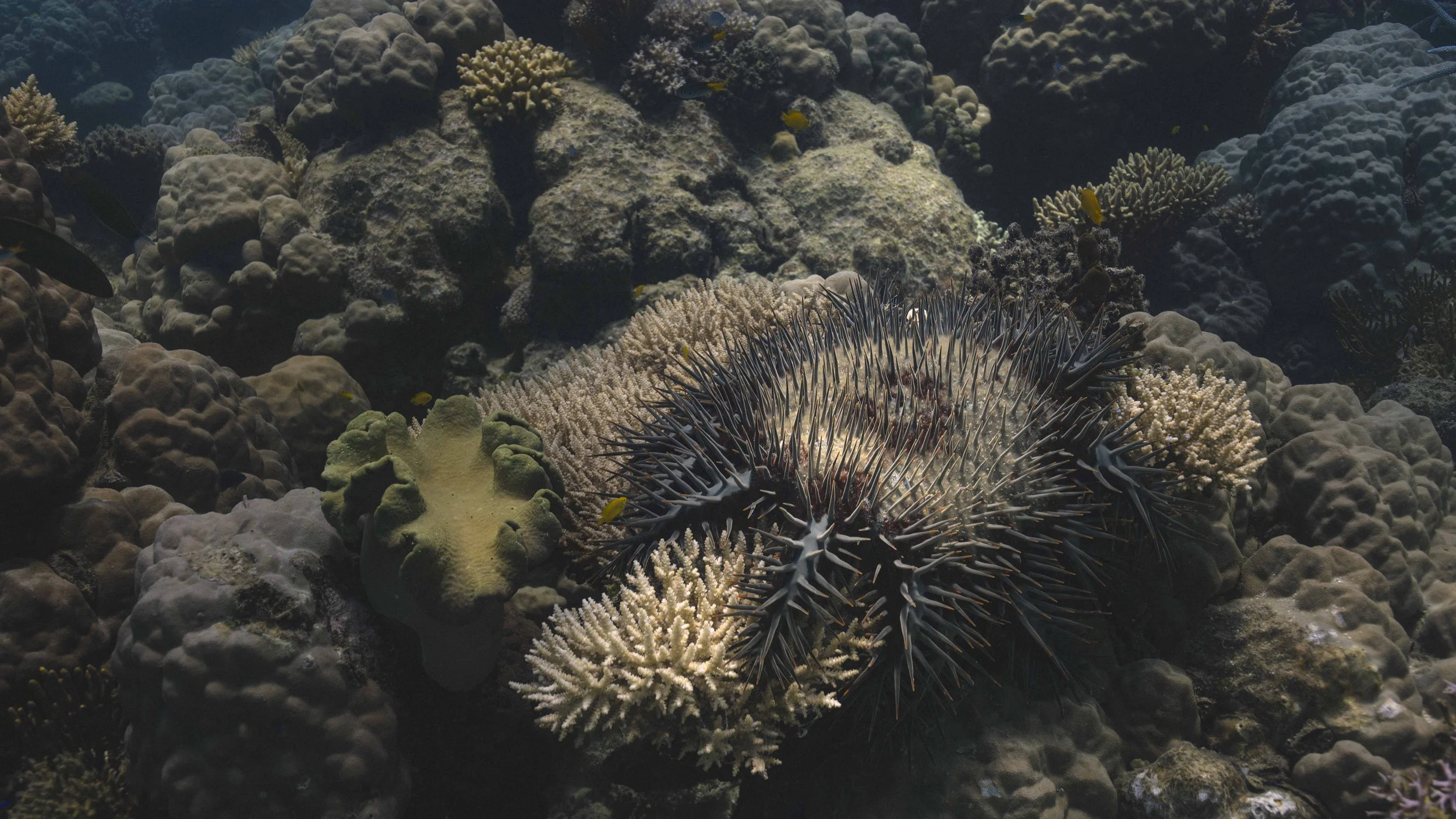
When feeding, COTS expel their stomachs through the centre of their bodies, wrapping themselves around coral branches to dissolve its tissue and absorb zooxanthellae, leaving behind scars of bright white calcium skeletons. Depending on the abundance of food they find, COTS can range from 15 to 50 centimeters in diameter.
A fully grown starfish devours about 10 m² of coral tissue on average per year. The problem with this number is that the consumed tissue is often spread across many corals, with only parts of colonies being eaten. This allows infections to enter, with algae settling and outcompeting the weakened colony.
Elevated sea temperatures, nutrient-rich farm run off, and overfishing of natural predators have created the perfect breeding ground for COTS larvae to mature.
Should some of their remaining natural predators — such as triggerfish, Māori wrasse, or the giant triton sea snail — succeed in making their way through the venomous crown of thorns, COTS still have the ability to regrow missing body parts, even after losing up to half of their body mass.
Since their venomous spines can cause neurological damage and paralysis in humans, we are also limited in our capacity to manage COTS. In fact, multiple injuries or severe envenomations can become life-threatening, which is why special licences and training are required to handle them.
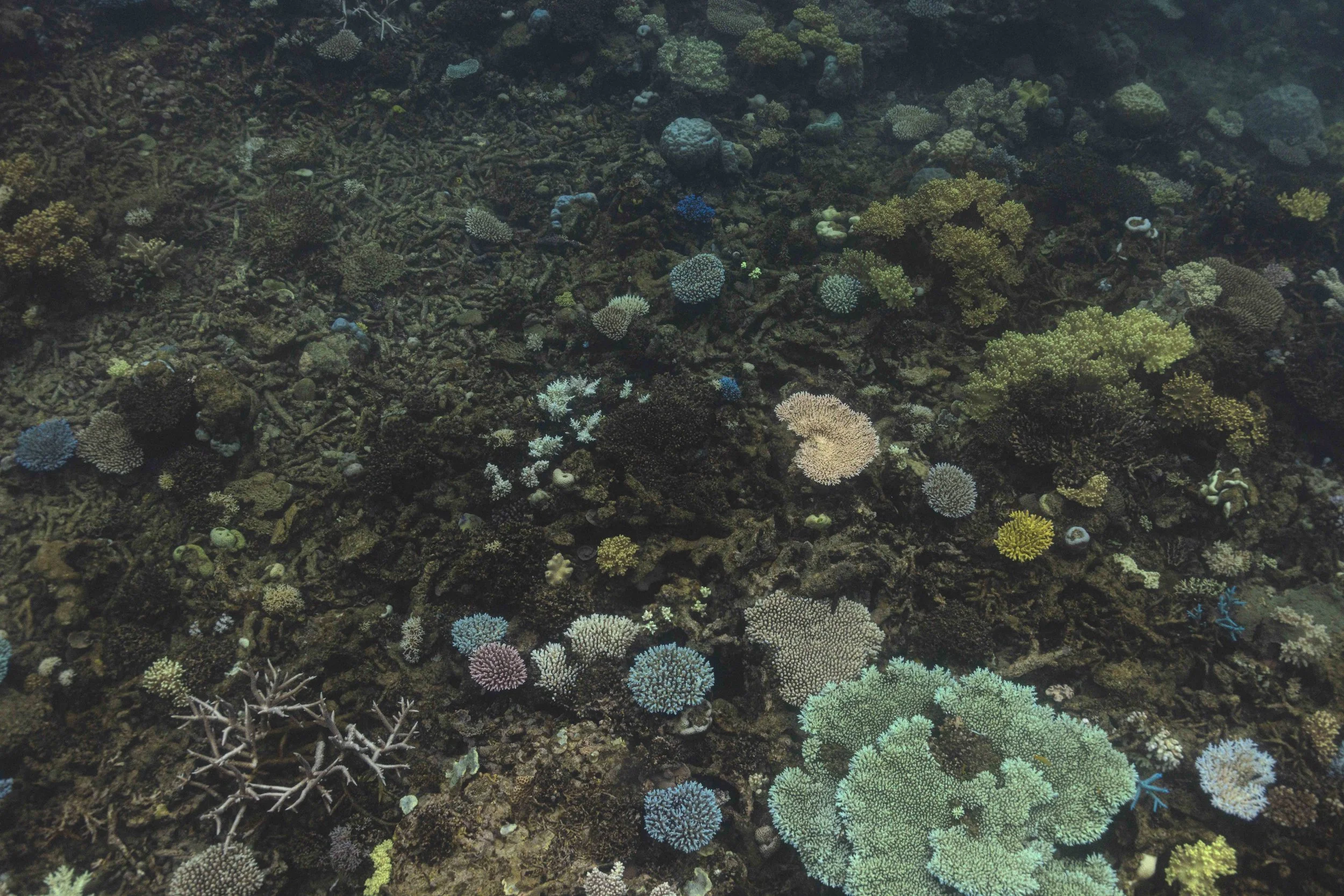
A devastating line between pristine reef and dying coral often marks the migration path of COTS outbreaks.
What’s at stake?
For millennia, we have relied on our oceans as one of our primary food sources, yet our understanding remains in its infancy, naturally growing out of a rather compartmentalised view consisting of different ecological environments, species, and their relationships with one another.
Commercial research has largely focused on short-sighted economic growth by exploiting our oceans, without seriously considering how to preserve what was once presumed to be an infinite source of food. Upholding biodiversity and coral cover—here as a representative environment—is not only important for the survival of the reefs themselves. The Great Barrier Reef supports not only local families and fishing communities but also a commercial fishing industry worth $400 million and a tourism industry worth $5.7 billion annually, attracting 2.4 million ocean-curious visitors each year.
And of course, it inspired Hollywood to find Nemo.
Coral reef habitats not only provide shelter, nutrient-rich hiding places, breeding grounds, and feeding areas that maintain a delicate ecological balance, but also protect coastal communities from flooding, tsunamis, erosion, and storm damage.
Additionally, coral reefs serve as the ocean's medicine cabinet, where complex chemical compounds produced by organisms living within reef habitats have been used to develop treatments for cancer, arthritis, and bacterial infections.
It appears that reef systems are worth protecting not only to uphold biodiversity so we can marvel at colourful fish, but also to protect our coastal communities and support our own health.
What’s the government doing about it?
In 2012, the Australian government decided to fund a COTS control program with $161.5 million under the Reef 2050 action plan worth $5 billion , with only $2 billion dollar directly funded by the Australian government.
Since then, the Great Barrier Reef Marine Park Authority (GBRMPA), together with partners such as the Australian Institute of Marine Science (AIMS), James Cook University (JCU), and many others, have created maps and models identifying key reefs and larval dispersal currents while attempting to build a precise understanding of how much coral cover remains under threat.
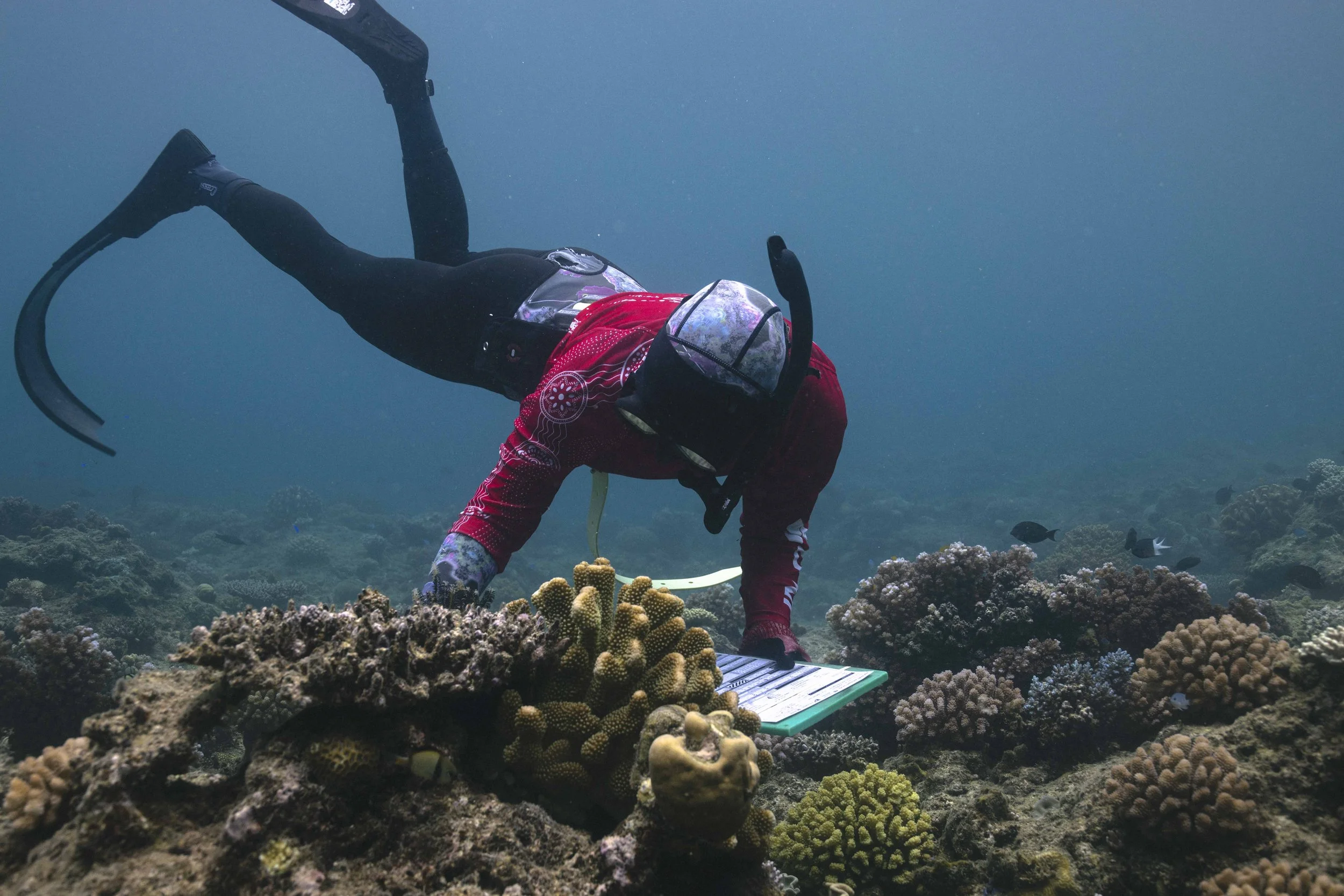
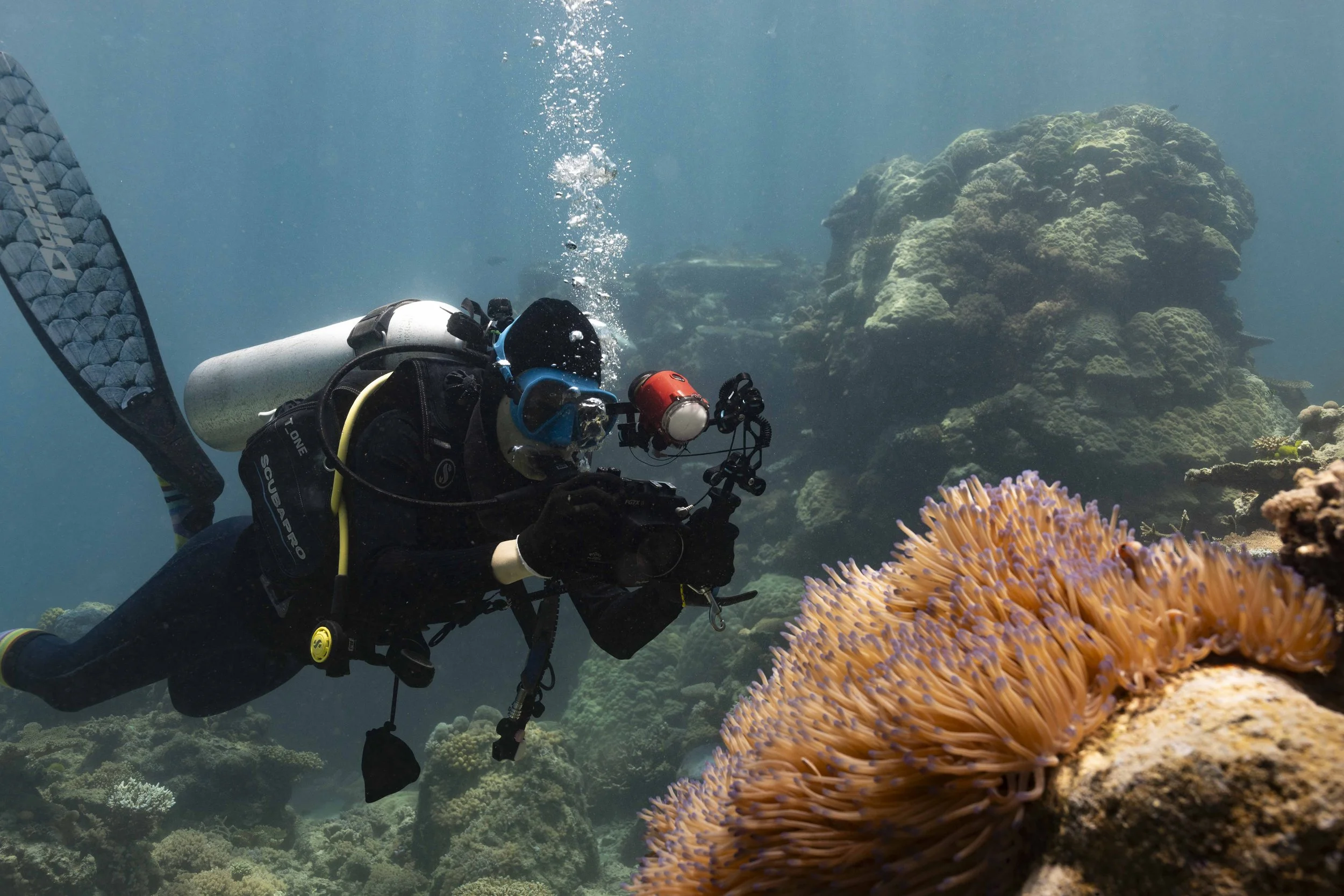
And the work doesn’t stop there. A variety of tools are now used to monitor reef health. The annual reef census encourages tourists to submit reef images that help train AI systems for coral recognition. The Eye on the Reef program trains tourism operators to report Reef Health Impact Surveys (RHIS) from frequently visited reefs. Manta tow surveys involve divers being towed behind tenders while collecting data on reef condition, coral cover, and the presence of bright white feeding scars that indicate COTS activity.
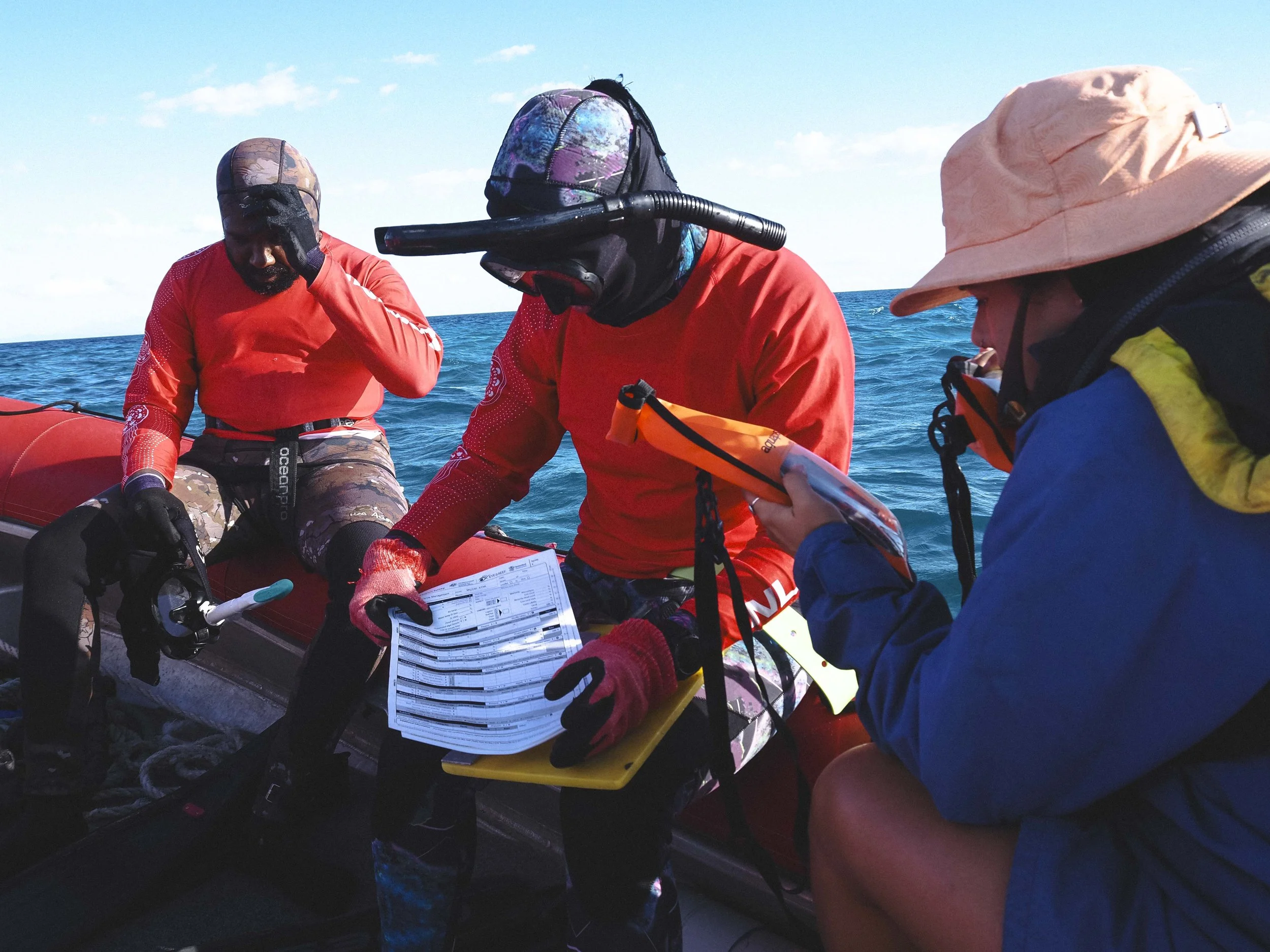
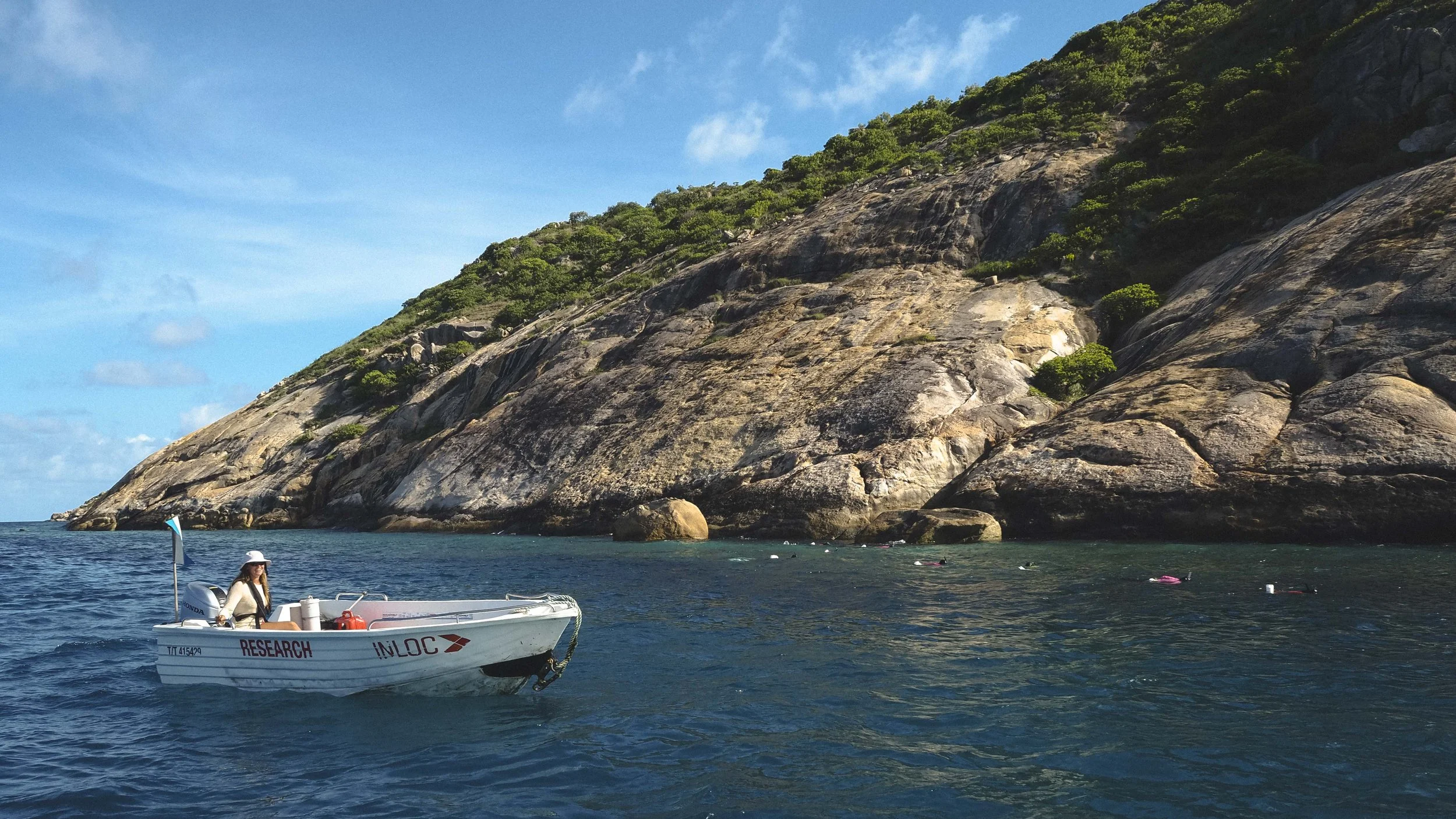
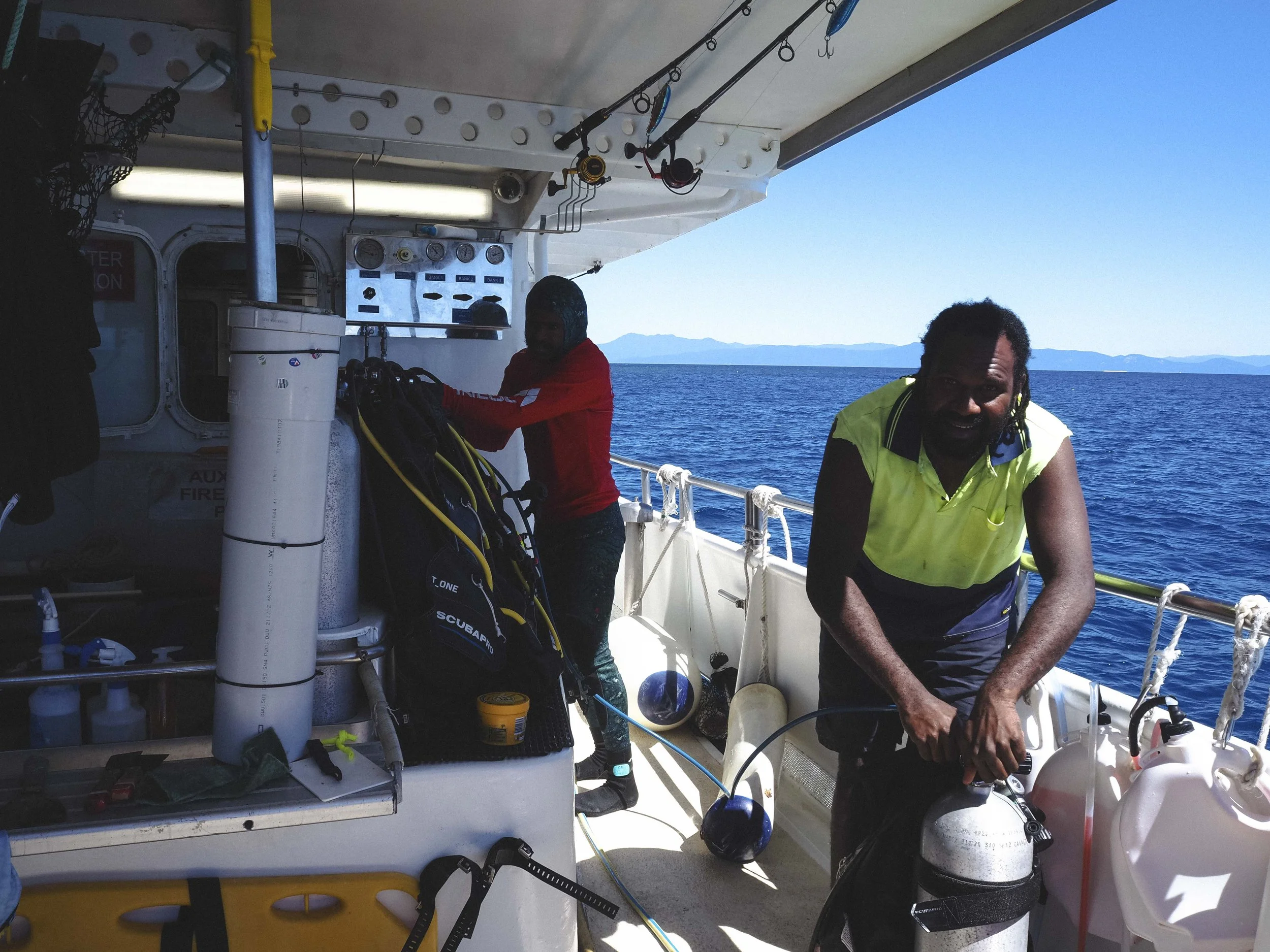
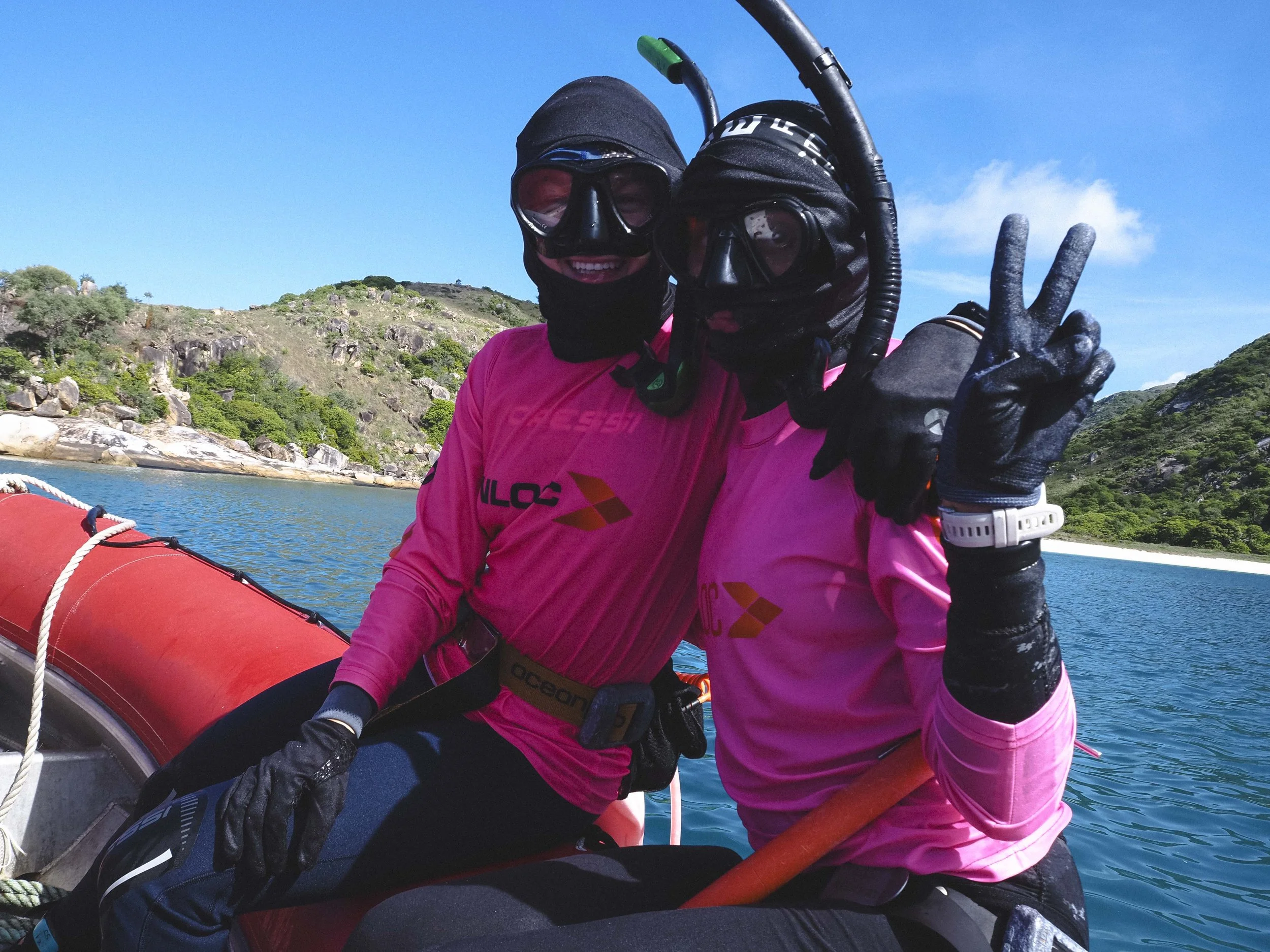
The data collected helps direct labour-intensive culling operations across more than 450 individual reef systems, trying to restore the natural balance again. Specially trained dive professionals move across reefs in grid-search patterns equipped with bile salt solutions, syringes, and needles to investigate previously detected feeding scars and locate as many COTS as possible.
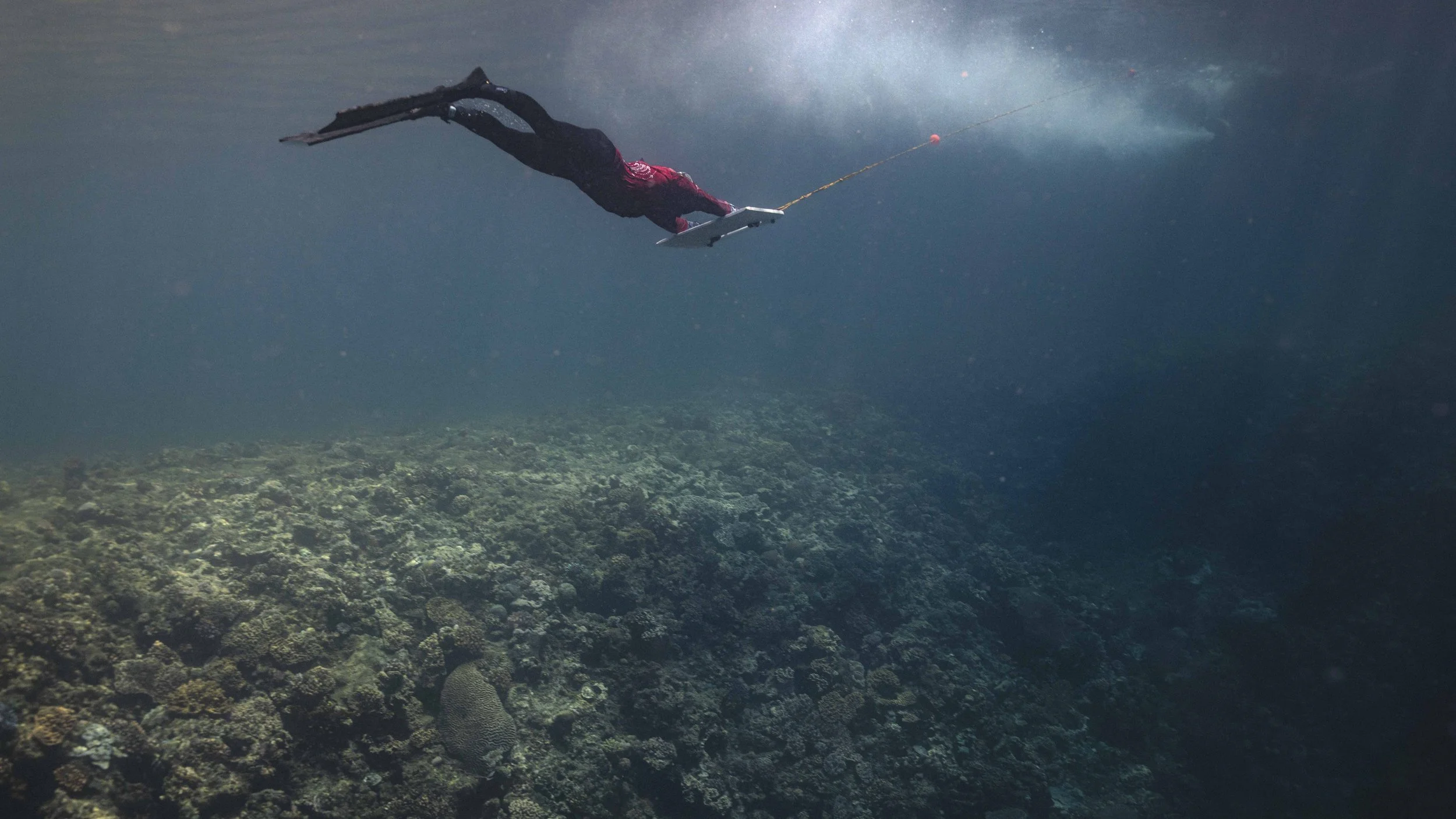
During a manta tow, a diver records COTS scars and sightings while assessing hard and soft coral cover, recently dead coral, and bleaching events and their severity—all while being towed behind a tender across 200-metre sections of reef.
The number of COTS culled on the reef is defined as COTS Per Unit Effort (CPUE), describing how many starfish a diver can find per minute spent underwater. To identify COTS migration patterns and hotspots the reef crest is divided into 300m segments allowing the dive team to revisit previous sites and create consistent long term data collection of the invested efforts. A typical double-dive session covers two segments (600m) of reef crest within 100 minutes of dive time.
Depending on the percentage of coral cover, a CPUE of 0.04 and below is considered a natural population density, meaning a diver would find only four adult starfish during a 100-minute session. If the population is twice as high as the considered natural population density (CPUE >0.08), an outbreak status is declared. Even though COTS are masters of disguise and often hide deep within reef structures, severe outbreaks can result in a single diver finding up to 100 COTS per session (CPUE 1.0), which is 25 times the natural population density!
For an in-water team of eight divers, this could mean roughly 800 COTS along just 600m of reef crest. This number only reflects the starfish that are actually found, failing to account for the inaccessible or well hidden individuals.
To counteract the overpopulating endemic species, a specially developed bile salt is injected triggering rapid necrosis, leaving the starfish bodies behind where they can be more easily consumed by their natural predators.
Overall, COTS are responsible for nearly half of the decline in coral cover on the Great Barrier Reef, with outbreaks occurring approximately every 15 to 17 years.
Since 2014, the reef has experienced six mass bleaching events, while four major COTS outbreaks have occurred since 1960, with the fifth wave beginning in 2026. Population control through manual labour requires enormous resources and is not a permanent solution. Instead, it aims to slow the degradation of the reef and give it a chance to recover from these increasingly frequent events.
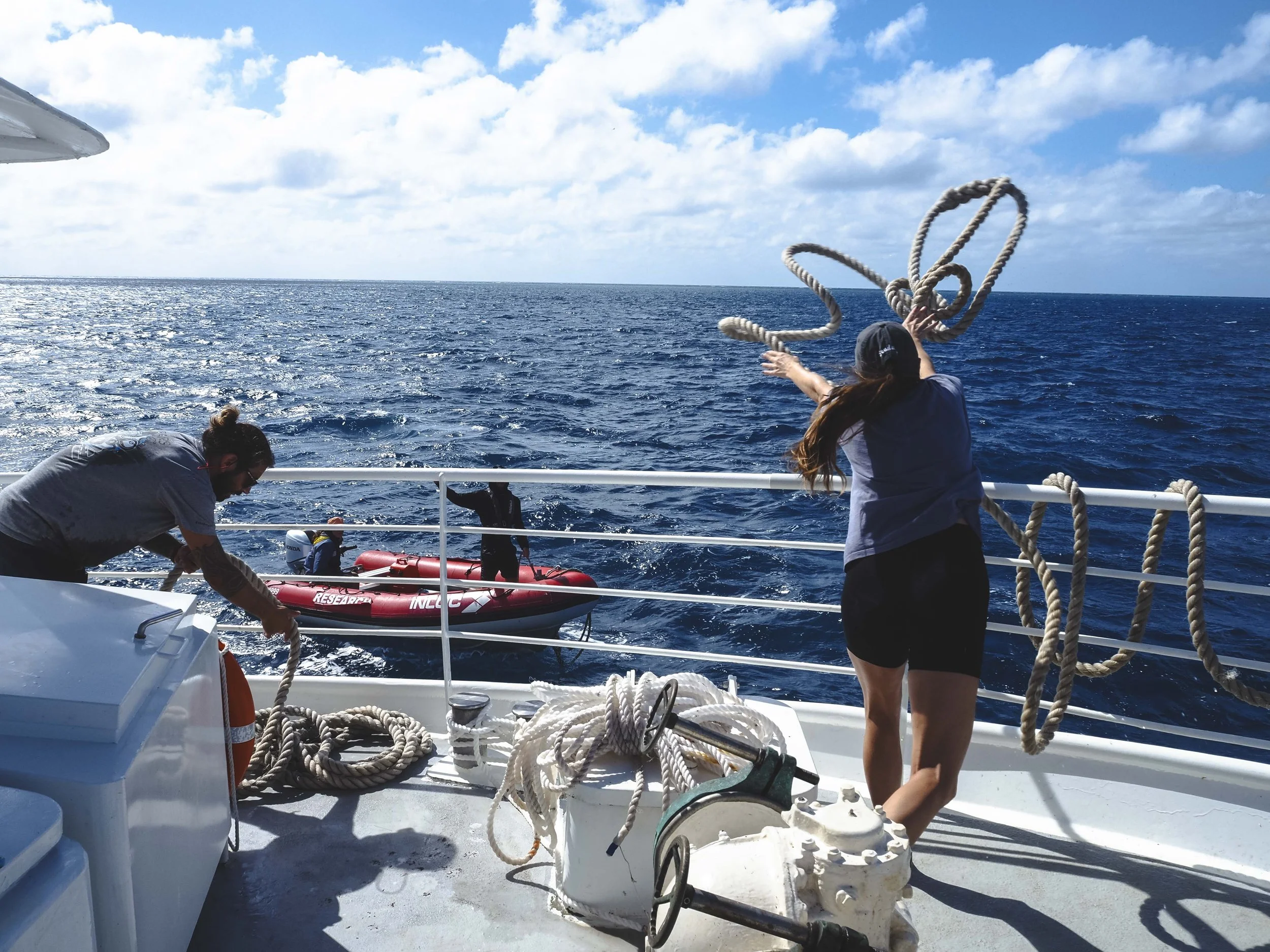
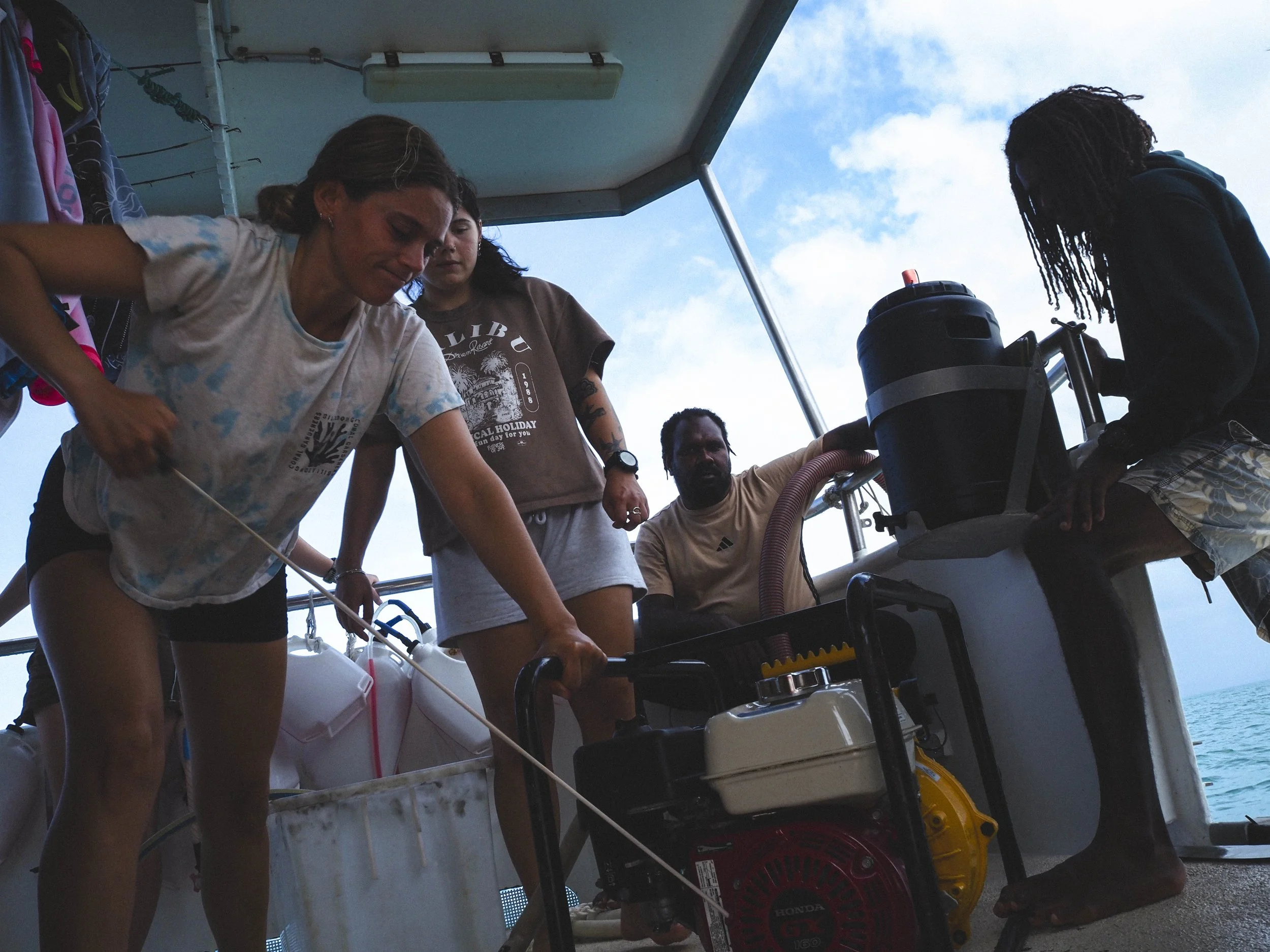
By themselves, the funding and effort invested in reef health may appear impressive, but when placed in the context of broader government budget priorities, the reality becomes harder to ignore.
Since 2022, the Australian government has reportedly missed out on 68 billion dollars in liquid gas export revenue due to the absence of an export tax. Instead of regulating and taxing foreign environmentally exploitative corporations more aggressively, reef advocacy groups such as the Australian Marine Conservation Society have been let down, but continue fighting to protect ecosystems like Scott Reef from becoming the latest gas drilling site.
Rather than prioritising long-term environmental protection and setting a global example for conservation funding, the Australian government subsidised the fossil fuel industry with $16.3 billion in 2024 to 25.
The oil and gas industry has also accumulated $283 billion in future tax deductions, allowing companies to earn a further $700 billion in profits before paying significant tax.
Considering the efforts of the past fifteen years, UNESCO is still discussing whether the Great Barrier Reef should be placed on the list of endangered world heritage sites in 2026. For many, this stands as devastating evidence of a short-sighted, profit-driven, capitalistic political system failing in its custodianship of not only the land and waters, but also of its people.
Despite current geopolitical tensions, we must not forget that humanity can only sustain itself if we take responsibility for our environment. We must not allow unchecked capitalism to dismiss our role as environmental stewards for short-term commercial benefit — not on the Great Barrier Reef, and not anywhere else.
If you saw a dear friend or family member falling apart, would you not speak up?
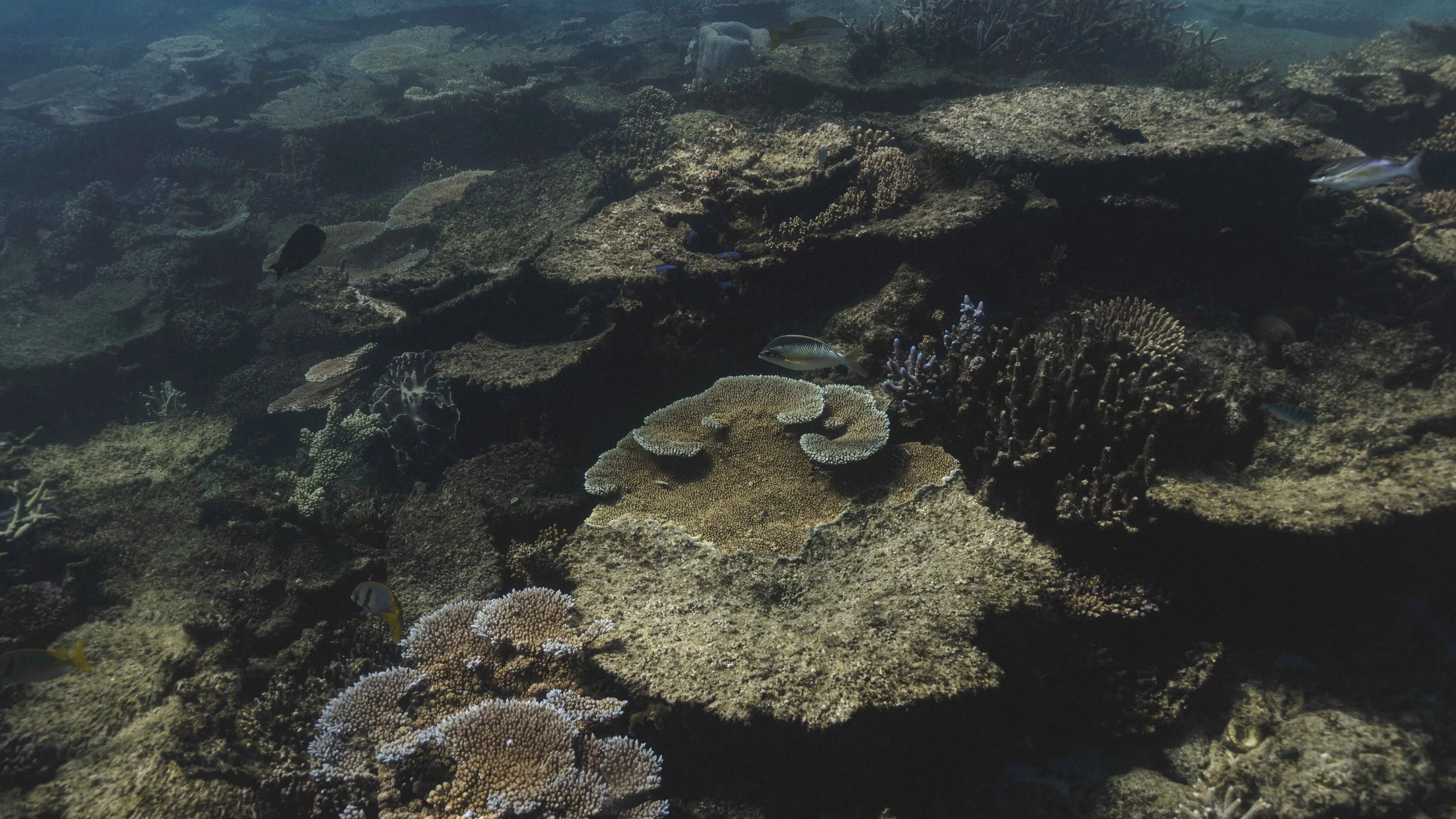
Once coral colonies die from causes such as severe bleaching, predation, or disease, their skeletons will eventually become part of the reef structure turning into coral rock, providing a foundation for new coral larvae to settle and grow. Healthy coral habitats are essential for sustaining biodiversity; without them, algae can overgrow the reef and reduce the chances of new coral recruits successfully settling and developing.
Was it worth the fight?
Definitely! The past year has probably been one of the most rewarding years of my life so far.
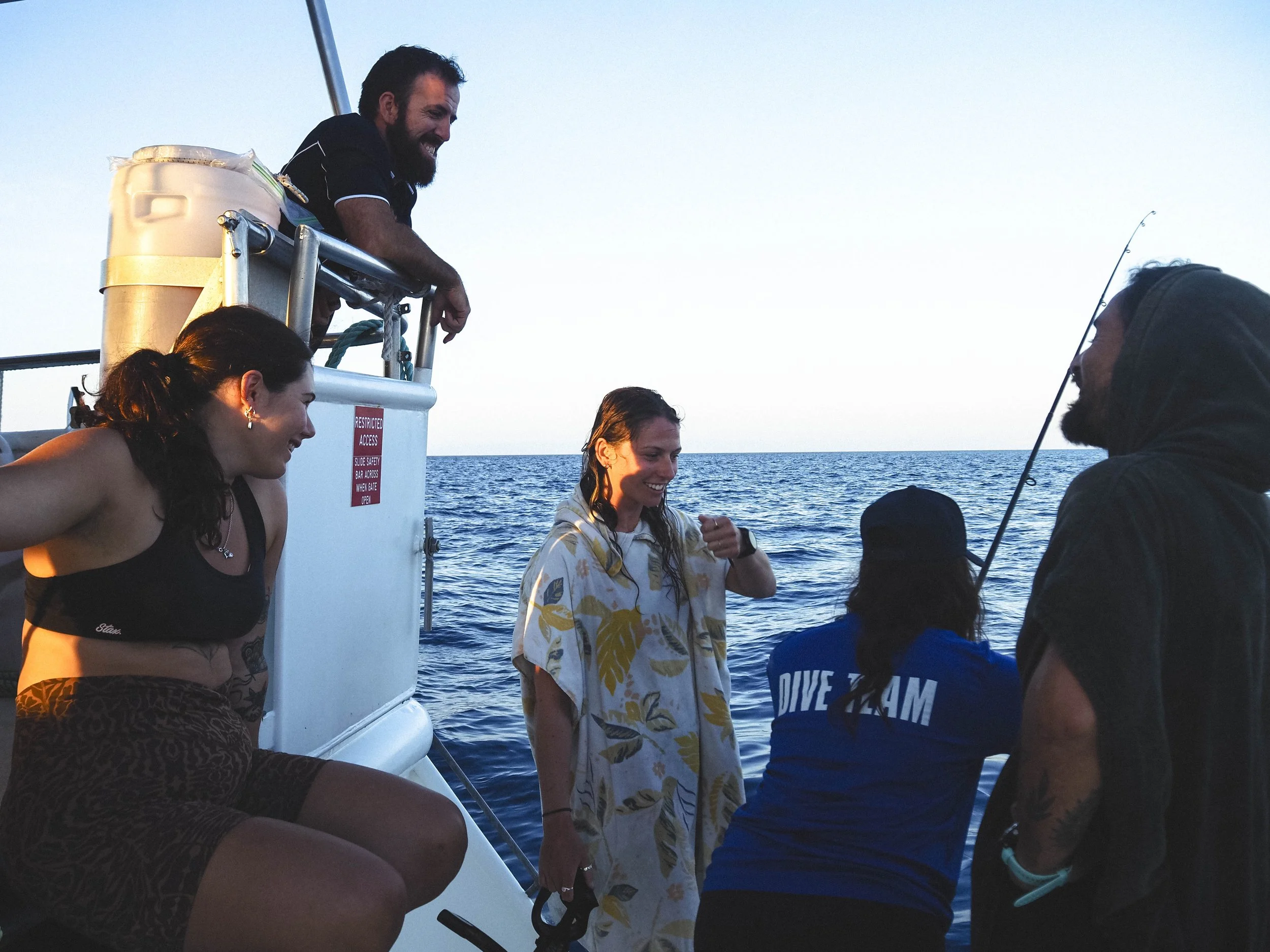
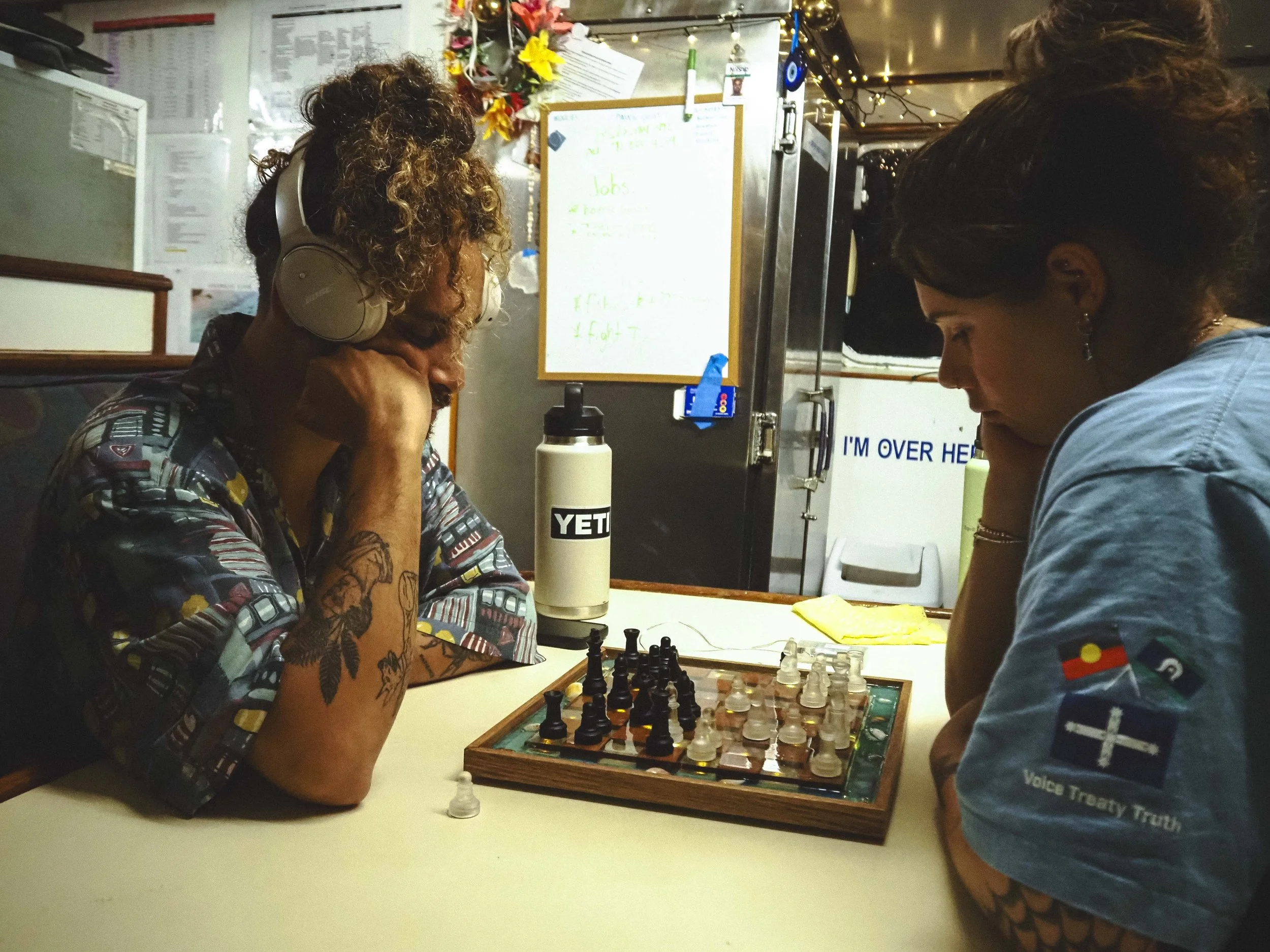
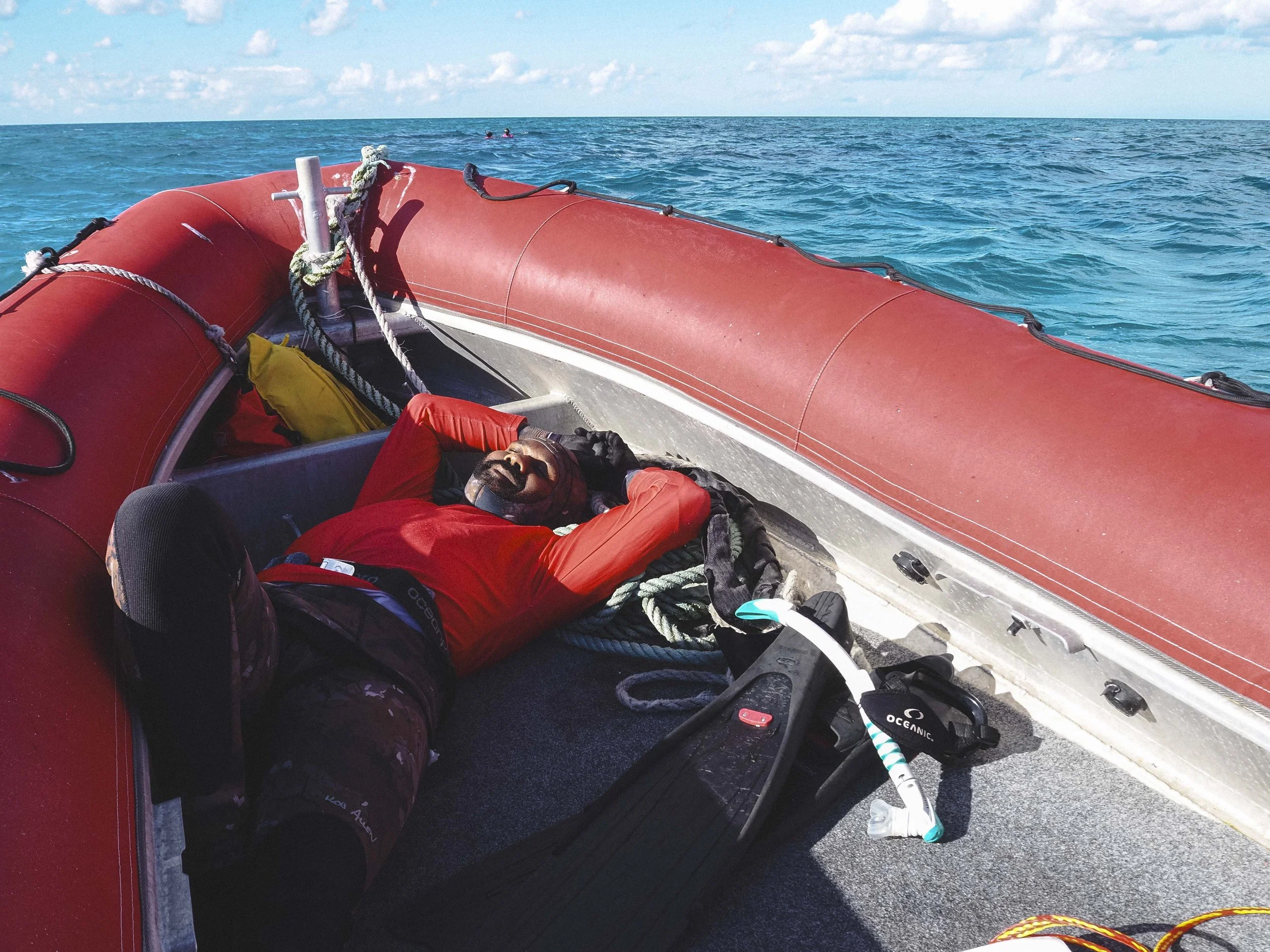
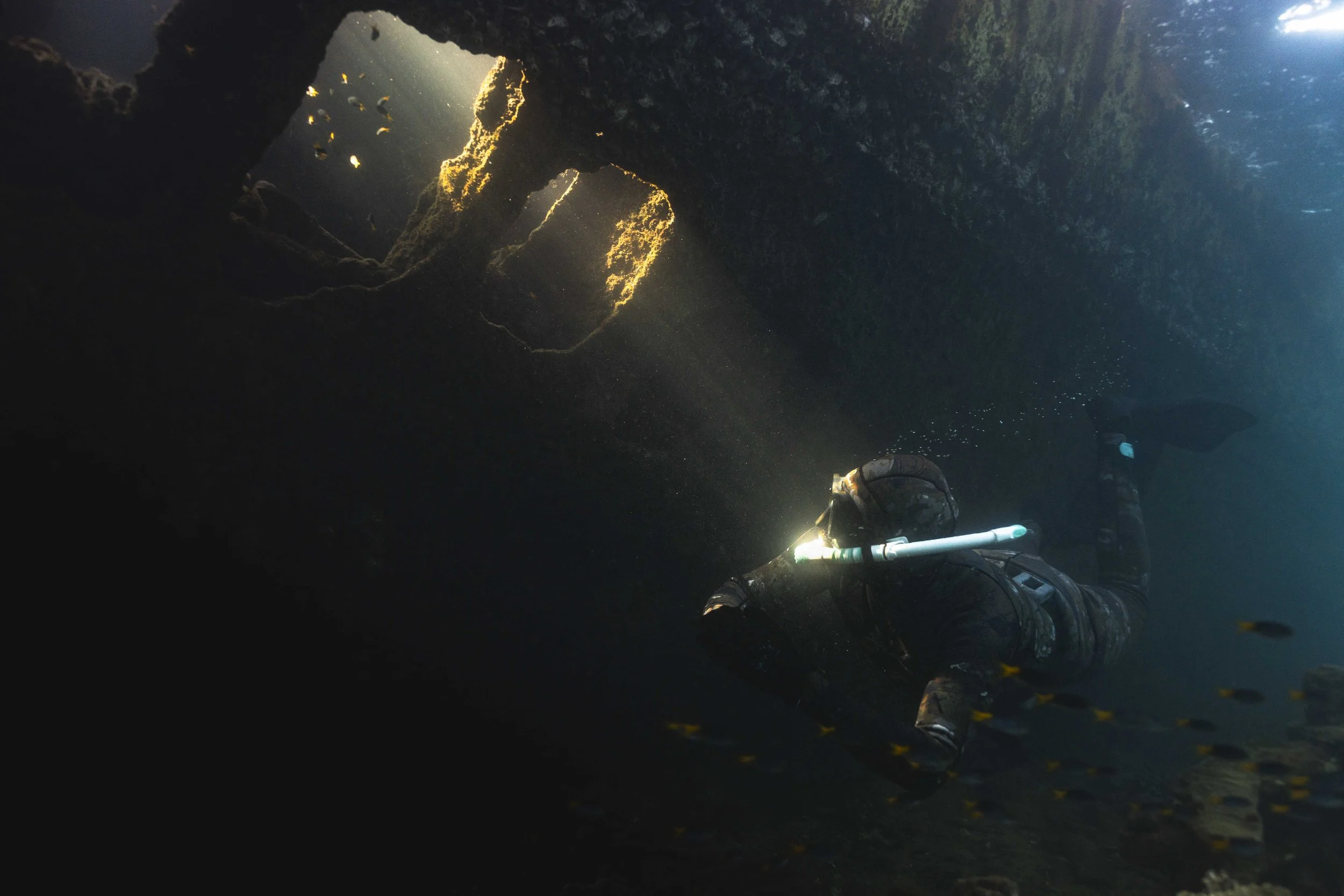
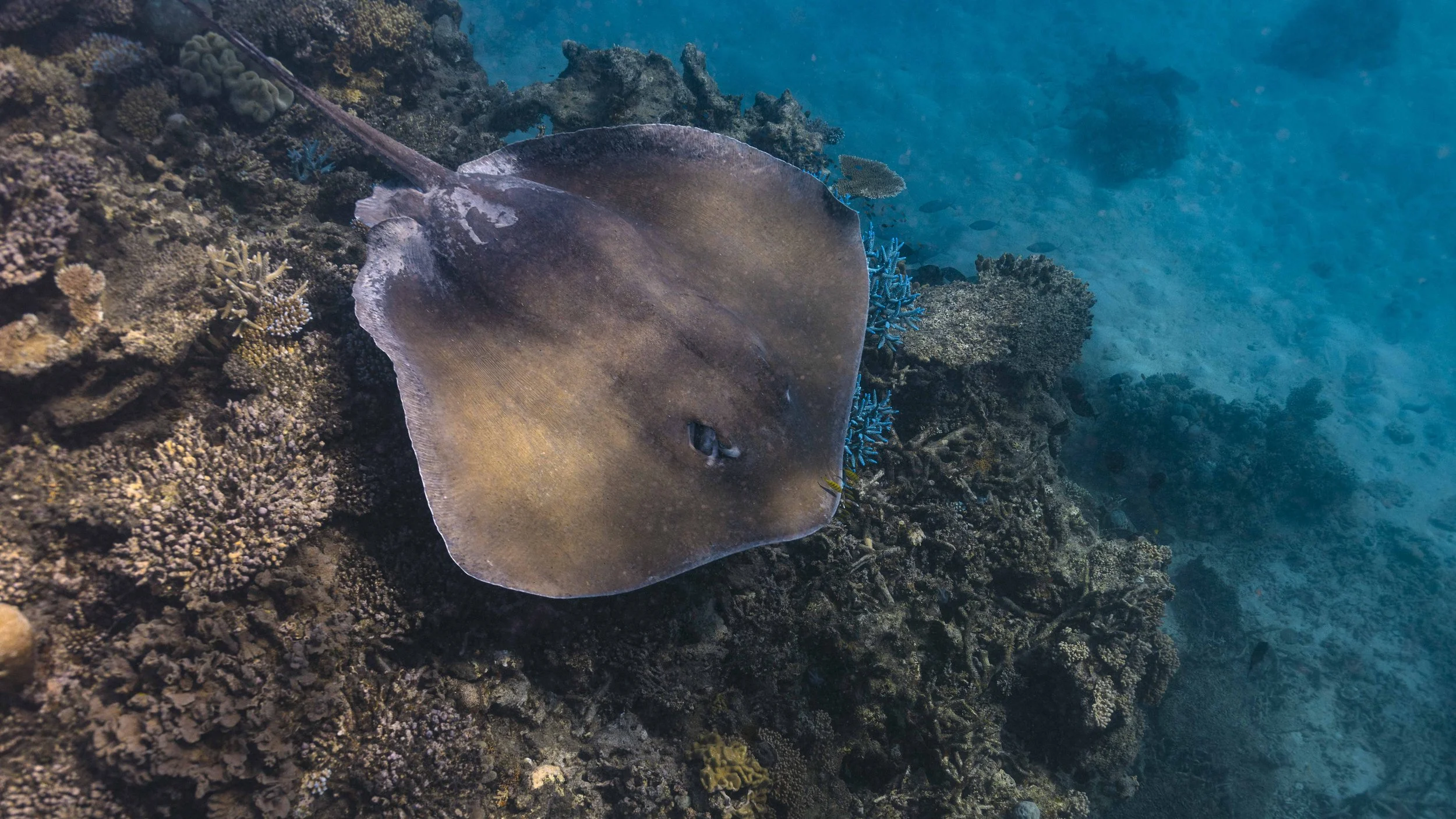
Not only because I could call the Great Barrier Reef my office, swim with sharks, rays, and whales, and live the life of an explorer diving sites only a few people have been before and witnessing its changes first hand, but because of the love I shared with like-minded people who cared for a greater cause than themselves; but for the companionship; but for the small moments in between, spent in quiet solitude, staring at the horizon; but for our theme nights, sunset dinners on sandy cays, and shared memories of past lives and loved ones.
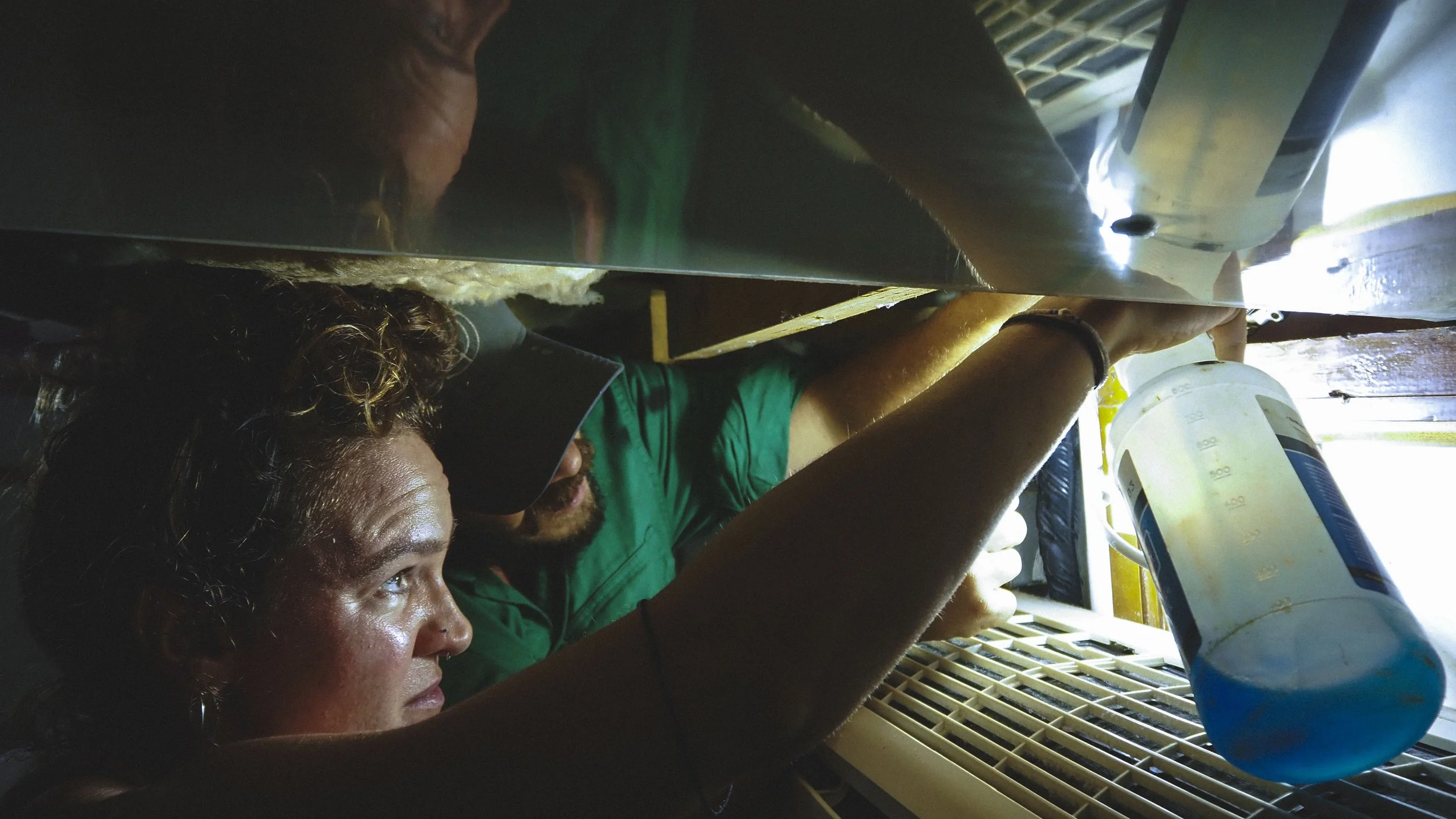
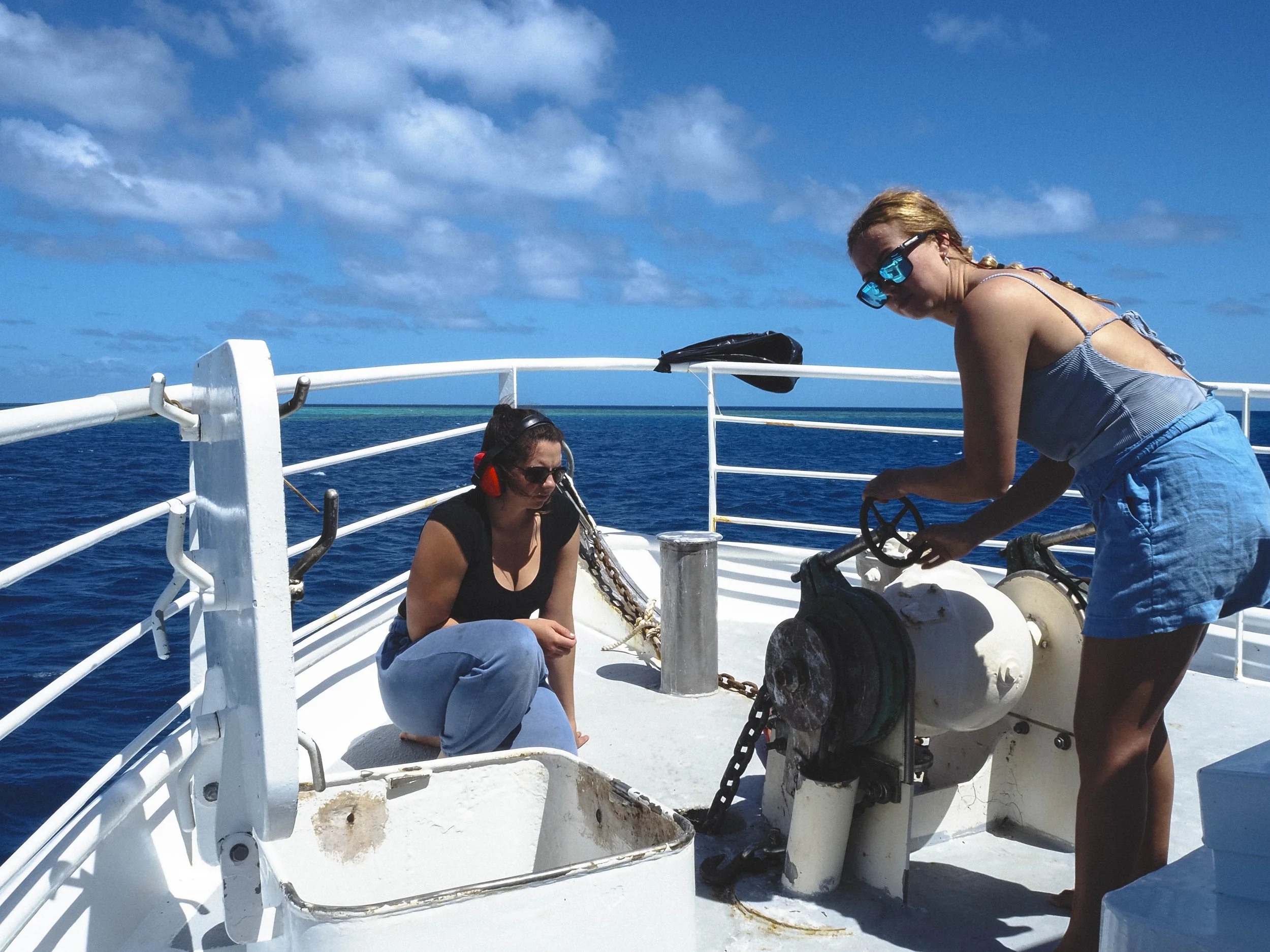
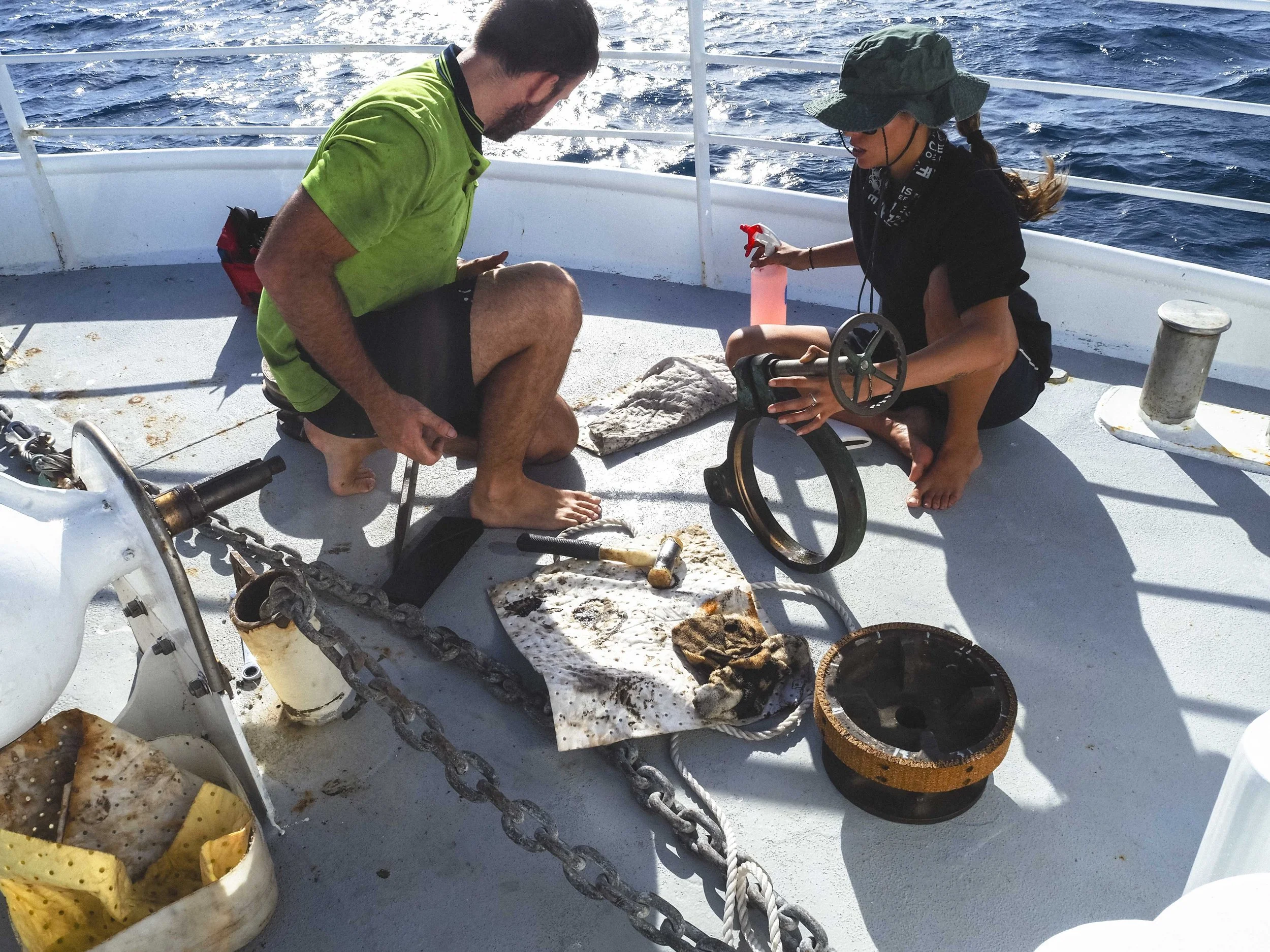
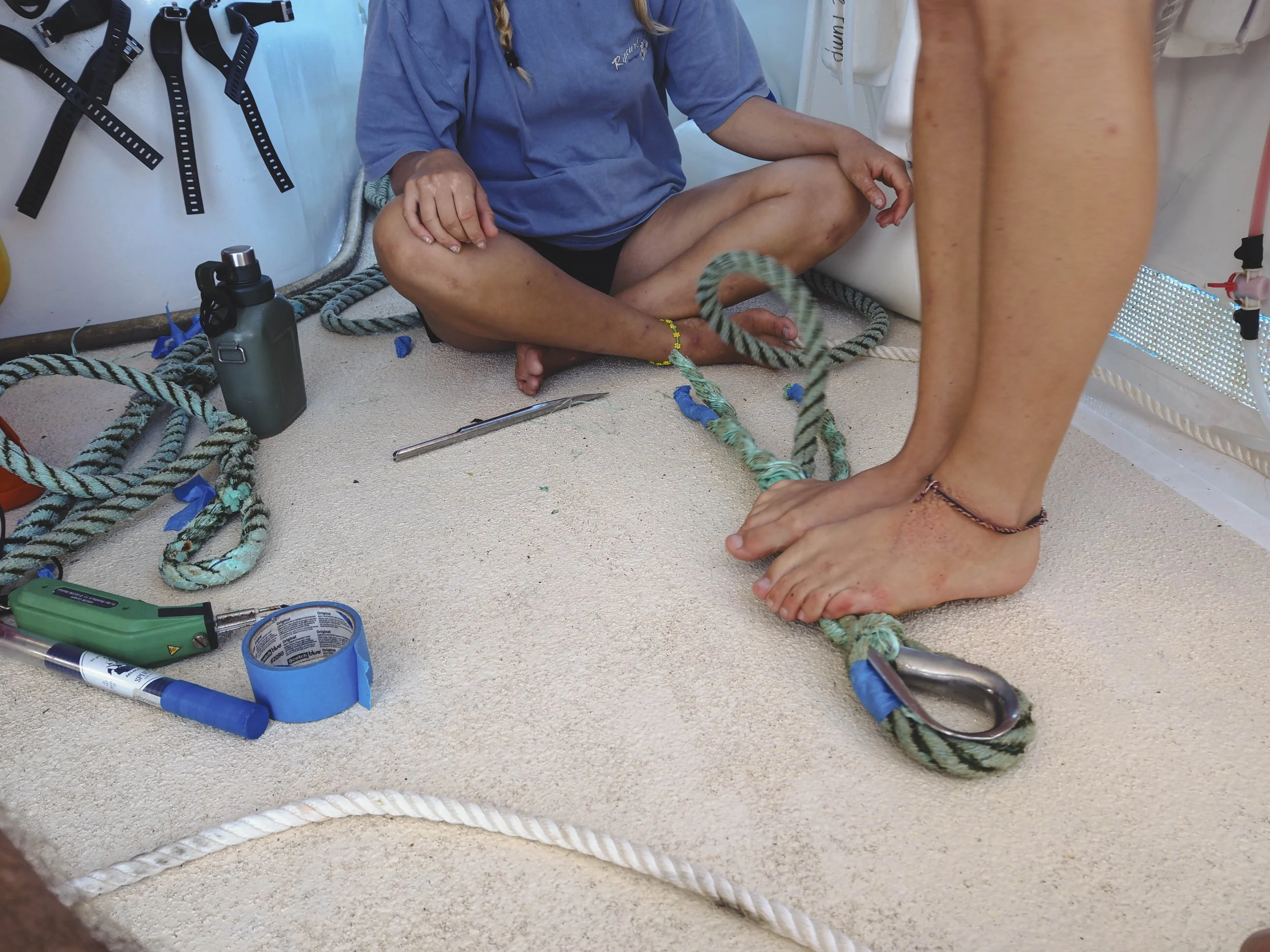
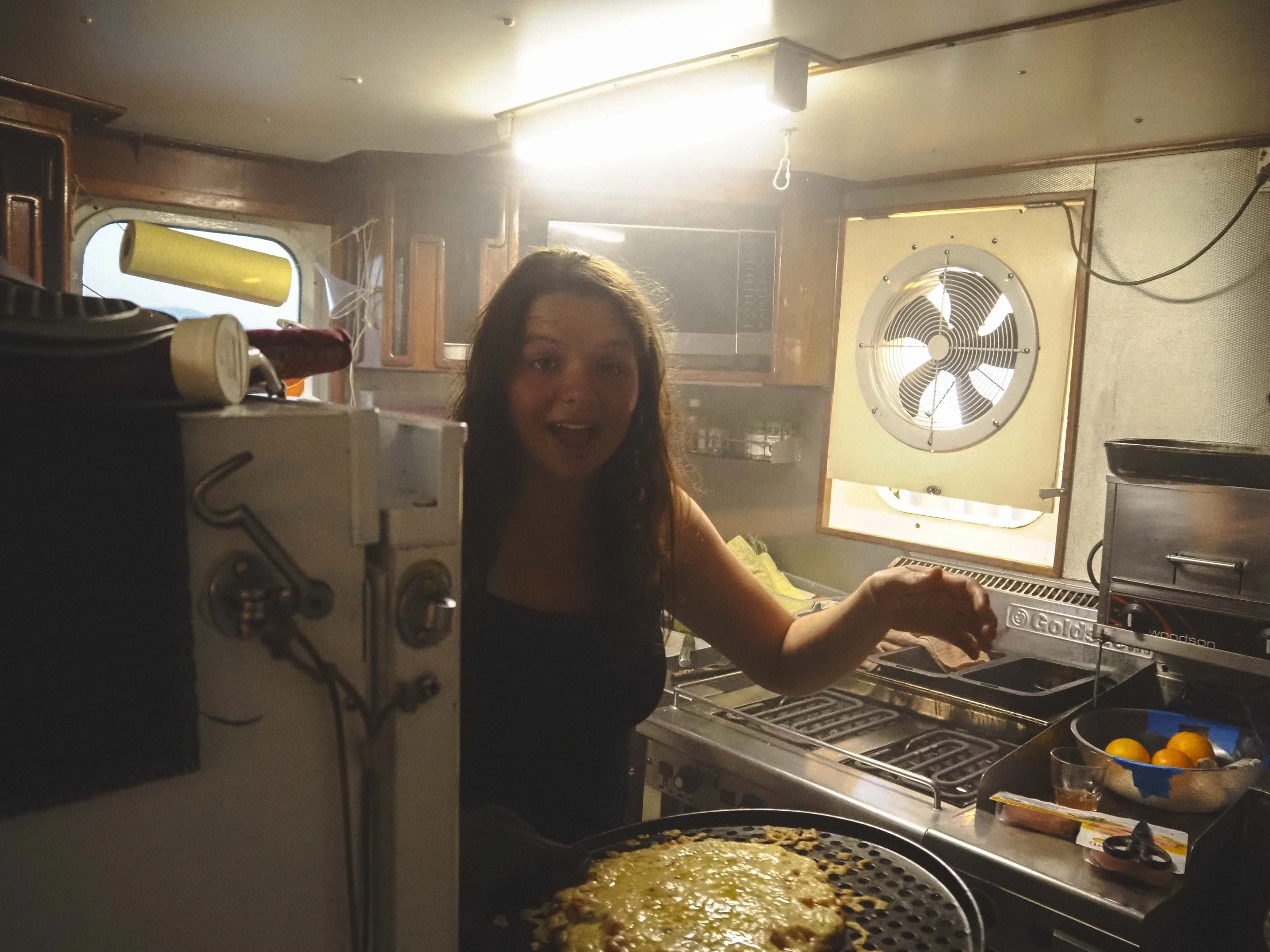
Living with twelve other people on a small boat at sea comes with its challenges. The good days shared together are extraordinarily blissful, but you cannot hide from the bad days out there. Fortunately, you can count on a family abroad that genuinely cares.

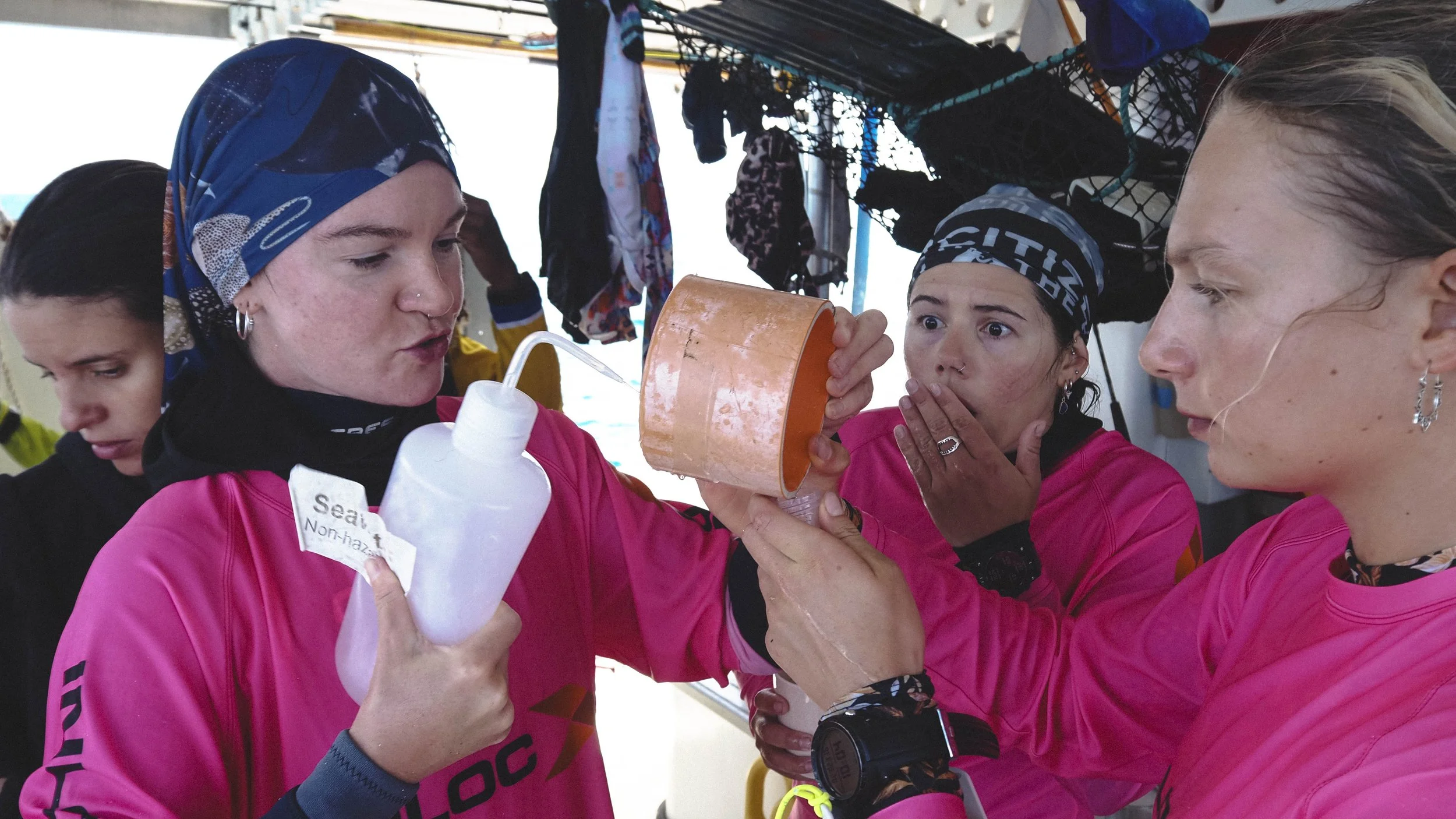
I am no fool. I know how lucky I was to be part of this adventure. I will forever be grateful for the love I got to experience. It changed me to my core.